
January 8, 2026
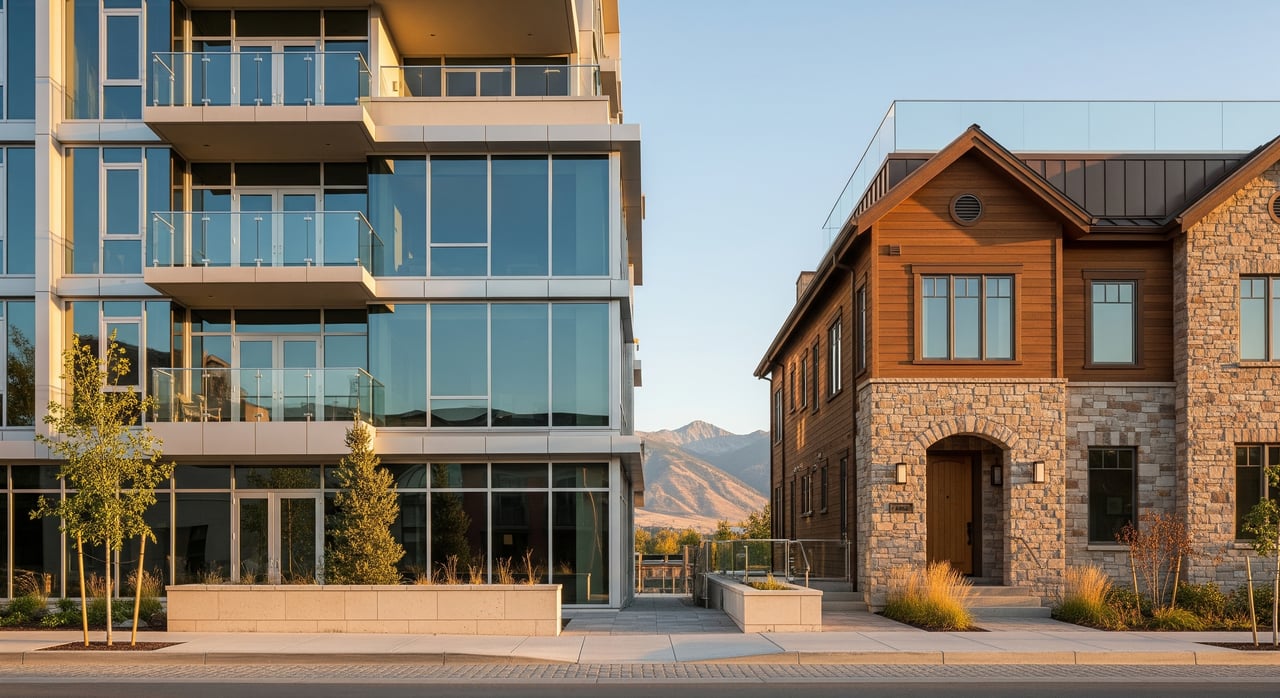
Trying to decide between a condo or a townhome in downtown Bozeman? You are not alone. Both offer walkable living near Main Street, but the ownership, costs, and rules can be very different. In this guide, you will get a clear comparison of what you own, what you pay, how financing works, and how each option fits the downtown lifestyle. You will also get a practical checklist to help you buy with confidence. Let’s dive in.
A condo gives you ownership of the interior of your unit, plus a shared interest in the building’s common areas. The association typically maintains the exterior and grounds. Your deed reflects unit ownership, not the land.
A townhome usually gives you fee-simple ownership of the structure and the land beneath it. You often share walls with neighbors, and there is usually an HOA for common areas. Exterior maintenance can be your responsibility unless the HOA takes it on.
In Bozeman, some “townhome-style” properties are legally condominiums. The only way to know for sure is to review the recorded plat and CC&Rs. Always confirm the legal structure so you understand maintenance, insurance, and financing.
With a condo, you own your interior space and share the roof, hallways, and grounds with other owners. With a townhome, your deed typically includes the lot and exterior of your unit. That difference shapes who pays for what.
Condo associations commonly handle the roof, siding, landscaping, and building insurance for common elements. Townhome owners may handle their own roof and exterior, unless the HOA’s documents say the association covers it. Read the maintenance sections closely so you are not surprised later.
Both condos and townhomes are governed by CC&Rs, bylaws, and rules. Expect rules on pets, exterior changes, parking, and rentals. Ask for meeting minutes and recent budgets to understand how the community operates.
Condos often sell at lower entry prices than attached townhomes, but the local spread depends on supply, demand, and new construction downtown. Price per square foot can be higher near Main Street due to walkability. Use recent comps for the specific product type you are considering.
Condos generally have higher HOA dues because more exterior work and amenities are covered. Townhome dues can be lower, but snow removal, private roads, and common landscaping still add up. Review the current budget, reserve study, and any special assessment history before you buy.
Condo owners typically carry an HO-6 policy that covers interior finishes and personal property, and often includes loss assessment coverage. Townhome owners usually need broader coverage similar to an HO-3, since they may own the exterior and land. Ask how master policy deductibles are handled if a common element causes damage.
Property taxes are assessed on your specific parcel or unit. Downtown projects may also have special assessments for improvements. Check recent tax amounts and verify whether any city or district assessments apply to the building.
Lenders can apply extra requirements for condos, such as project approval for certain loan types, owner-occupancy ratios, and review of any litigation. High investor concentrations can also affect loan options. Clarify these items early so your loan stays on track.
Fee-simple townhomes are typically underwritten like single-family homes and may avoid condo-specific overlays. Always confirm the legal structure, because “townhome-style” condos still count as condos to a lender.
Appraisers should compare condos to condos and townhomes to townhomes. Mixing product types can skew value and cause issues with the loan. When in doubt, request downtown comps that match your property’s legal type and features.
Living downtown puts you close to restaurants, shops, galleries, and trail connections. Many buildings emphasize lock-and-leave convenience. The tradeoff can be less private yard space.
Parking is tighter downtown. Check whether parking is assigned, deeded, or permitted on the street, and ask about guest parking. Storage lockers, bike rooms, and garage space vary widely by building.
Attached living can increase sound transfer. Construction quality, party wall design, and floor systems matter. If possible, visit at different times of day and talk with the HOA about any noise-related rules or improvements.
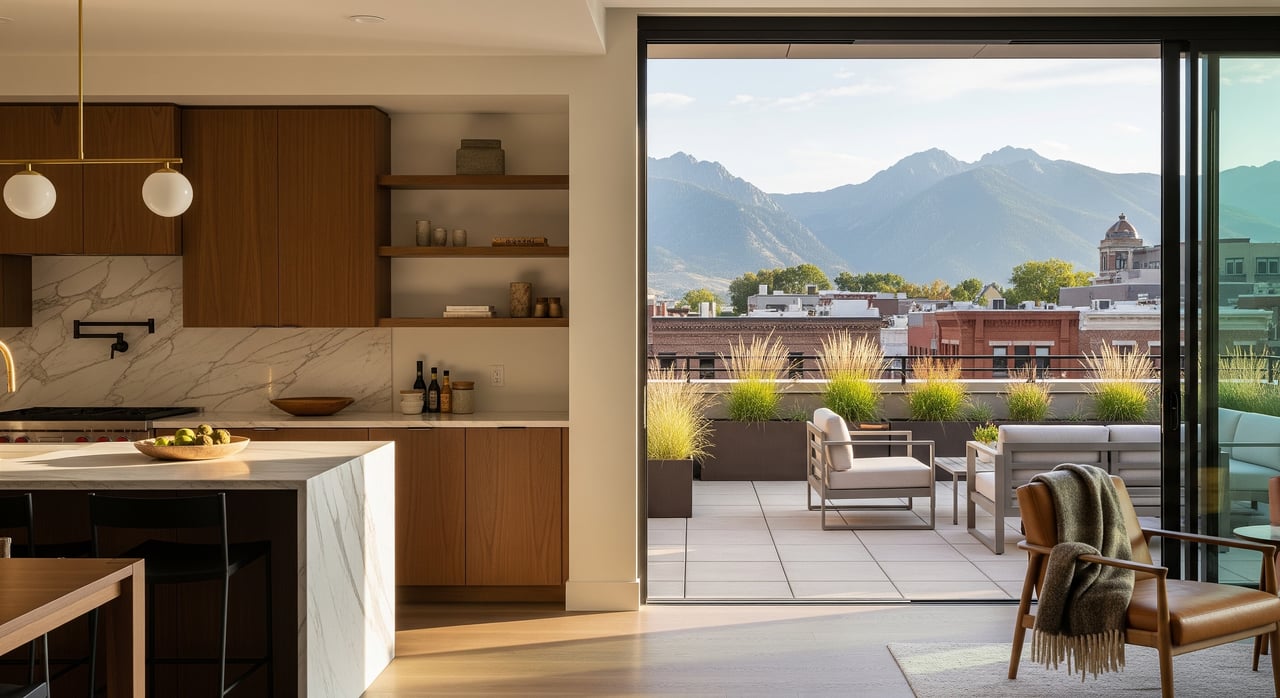
Townhomes are more likely to include small yards, patios, or private decks. Condos may offer balconies, rooftop terraces, or shared courtyards. Decide how much private outdoor space you want and how you plan to use it.
Review pet policies for size, number, and breed rules. If you need extra bedrooms or storage, compare floorplans and on-site storage options. Focus on neutral, factual features to match your lifestyle.
Bozeman regulates short-term rentals, and individual HOAs often add their own rental rules. Rules can change, so verify what is currently allowed for the building and your intended use. If you plan to rent, confirm policy details in writing.
Downtown zoning can affect uses, height, and parking requirements, and historic areas may require approvals for exterior changes. Ask your agent to help you review current zoning and whether the property sits in any overlay district.
Some buildings rely on city-issued permits for resident and guest parking. Understand costs, eligibility, and limits before you buy. Rules for EV charging and bike storage can also affect day-to-day convenience.
Review wildfire, floodplain, and seismic risk for the specific building. Hazard exposure can influence insurance availability and price. Ask for the association’s insurance certificate and the most recent reserve or capital plan.
Rental demand in and near downtown can be strong, but restrictions matter more than averages. Many condo associations limit rentals or short-term rentals. Some townhomes are more flexible, yet CC&Rs still govern what is allowed.
If you are evaluating returns, verify rental policies, fees, and any caps. Confirm parking and storage, which impact marketability. Use like-kind rental comps for realistic projections.
Value in downtown Bozeman is shaped by location, build quality, design, parking, storage, and walkability. Product type alone does not determine appreciation. Look for strong HOA financials, clear maintenance plans, and distinctive features that stand out in the market.
For sellers, accurate positioning depends on recent downtown comps for the same property type. Highlight maintenance coverage, parking, storage, and any upgrades documented with permits or warranties.
Use this list to stay organized as a buyer or seller:
Pick a downtown condo if you want a low-maintenance lifestyle, predictable exterior upkeep, and amenities like controlled access or fitness rooms. This can suit busy professionals, frequent travelers, and lock-and-leave owners. Confirm HOA rules, dues, reserves, and rental policies.
Pick a downtown townhome if you want more control over your exterior, a bit more privacy or outdoor space, and financing that often mirrors single-family homes. This can suit buyers who value autonomy and storage. Verify whether the HOA covers any exterior items or if they are your responsibility.
If you are on the fence, compare two specific properties side by side, including monthly cost of ownership and rules that affect your lifestyle. A clear apples-to-apples look usually reveals the right fit.
Ready to compare real listings and HOA documents side by side? Connect with the local team that lives this market every day. Reach out to Montana Life Real Estate to get candid guidance and an organized plan for your next move.
Stay up to date on the latest real estate trends.


Land


Land
Get assistance in determining current property value, crafting a competitive offer, writing and negotiating a contract, and much more. Contact us today.