
Real Estate Montana Life Real Estate February 19, 2026
Thinking about turning your love of Big Sky into a vacation rental you can enjoy and offset with guest income? You are not alone. With world-class skiing and a strong summer scene, Big Sky attracts year-round travelers, but buying a rental here is different from purchasing in a typical town. In this guide, you will learn how the market performs, where short-term rentals are allowed, what permits and taxes you need, how HOAs and deed restrictions work, what to plan for operationally in a mountain climate, and how to build a simple pro forma. Let’s dive in.
Big Sky is a true four-season destination, anchored by winter skiing and summer outdoor recreation. Winter is the primary revenue season for most homes, while summer brings meaningful but different demand patterns. According to the latest market insights, this is not a single-season market, so you should plan your revenue strategy around both peaks and their different guest behaviors. Natural Retreats’ market report highlights these pillars and how they shape bookings.
Natural Retreats, using Key Data for greater Big Sky, reports 2025 figures of an Average Daily Rate around $732, an Adjusted Paid Occupancy near 32.0 percent, and RevPAR about $234. These numbers describe a high-ADR, relatively low-occupancy resort pattern. Actual results depend on your property’s location, size, quality, amenities, and owner holds. Use these KPIs to set expectations, then refine with a manager’s projections for your specific unit. See the report summary for context.
Managers report evolving booking windows, with some segments booking later and staying longer. Big Sky sits about 50 to 75 minutes from Bozeman Yellowstone International Airport, and winter road conditions can affect arrival timing and turnovers. Build check-in buffers and clear guest guidance into your operations. The Natural Retreats market notes speak to these trends.
Big Sky lies within Gallatin County, and short-term rental treatment varies by zoning district. The Gallatin Canyon and Big Sky subdistricts address short-term rentals directly, but you should always confirm parcel-specific allowances. Use the county’s resources and interactive tools to verify a property’s zoning before you make an offer. Start with the county’s Short-Term Rental FAQs and mapping links.
Montana treats short-term rentals as public sleeping accommodations. Owners must submit a plan review through county sanitarians and secure a Public Accommodation License from the Department of Public Health and Human Services. Expect an inspection and annual licensing. If the home is on a private well or septic, you may need to submit water test results and septic documentation. Keep a guest register for at least one year. Review the steps on the DPHHS Public Accommodations page.
Short stays under 30 days are subject to an 8 percent state Lodging Facility Sales and Use Tax. Operators must register with the Montana Department of Revenue, file returns, and remit tax on the full listing price. Big Sky also imposes a 4 percent resort tax on stays of 30 nights or less within the Resort Area District. Some booking platforms collect some taxes for you, but you are still responsible for proper registration and filing. Learn more from the Montana Department of Revenue and the Big Sky Resort Tax District.
Many Big Sky homes sit inside HOAs. Covenants can set minimum stays, require local contacts, restrict certain uses, or limit amenity access for guests. Montana SB 300 limits an HOA’s ability to impose more restrictive use limits on existing owners than those recorded at the time of purchase, while preserving enforcement of recorded rules. Always read the CC&Rs, request the association’s rental policy, minutes, and any amendments, and discuss how SB 300 applies with your attorney. Review the text of Montana SB 300.
Some Big Sky properties are part of workforce or local occupancy programs that typically prohibit short-term rentals. These deed restrictions run with the land. Verify any restrictions through your title search and by checking with the Big Sky Community Housing Trust.
Units tied to resort hotel programs or mandatory rental pools can face financing hurdles. Lenders may consider them ineligible for certain conforming loans. If you are eyeing a condo-hotel or fractional product, engage your lender early and confirm project eligibility and loan options.
You have three broad approaches:
Ask prospective managers for a sample owner statement that shows gross revenue, platform fees, management commissions, cleaning, supplies, taxes, and net proceeds for a comparable unit.
Interview at least two managers. Compare revenue projections by season, pricing strategies, service levels, guest response times, and who files which taxes. Confirm whether they supply detailed monthly statements and how they handle owner blocks, long stays, and last-minute discounts in shoulder seasons.
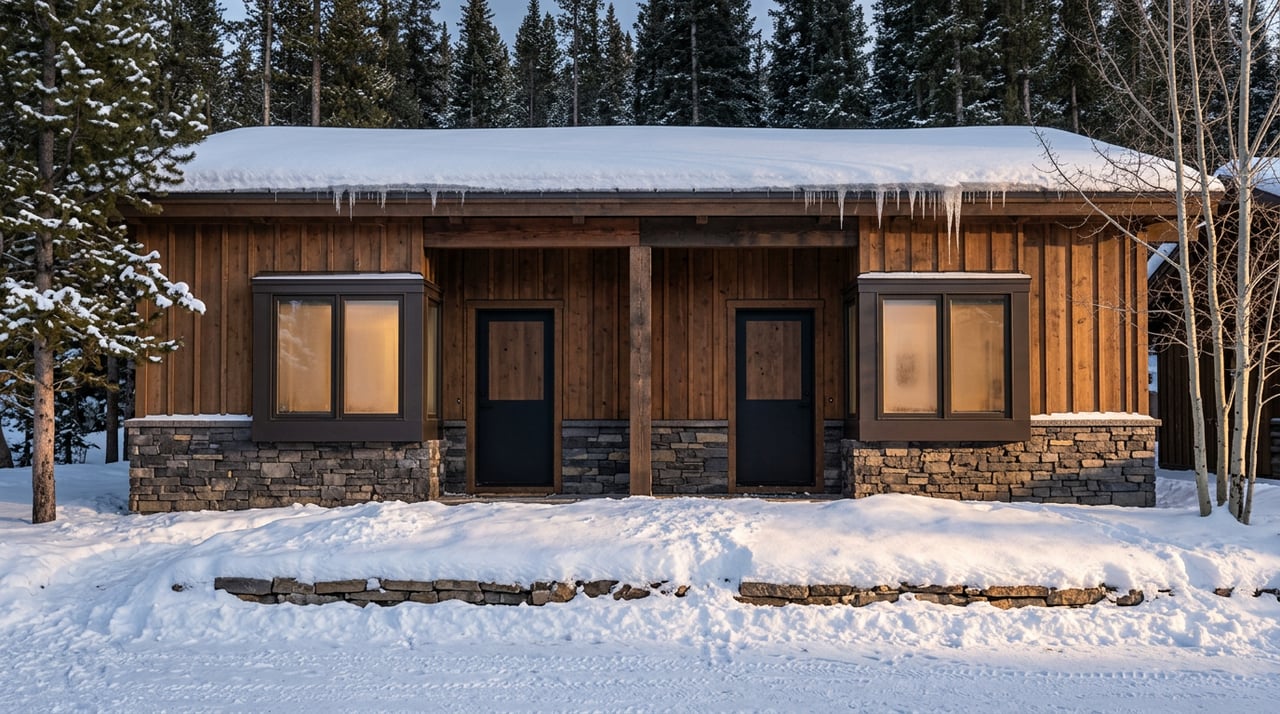
Big Sky winters bring heavy snow and ice. Roof design, snow guards, gutters, and the health of boilers or HVAC systems become critical. Plan for higher maintenance reserves and reliable snow-removal contracts. Build cold-weather checklists into your turnovers to reduce frozen-pipe risk. The Natural Retreats market summary reinforces the importance of mountain-specific operations.
If your property relies on a private well or septic system, DPHHS and the county sanitarian may require water tests and septic documentation as part of the Public Accommodation plan review. The process can take several weeks. Factor that into your closing and go-live timeline. See DPHHS guidance.
Western Montana has elevated wildfire risk. Insurance availability and pricing have tightened, and underwriting often considers Insurance Services Office classifications. In-district properties with hydrants within five road miles may receive more favorable ratings than out-of-district homes. Get quotes early, ask about replacement-cost estimates, wildfire mitigation credits, and any exclusions. Start with resources from the Big Sky Fire Department.
Loan terms depend on how you occupy the property. Conforming second-home loans typically expect some owner occupancy and differ from investment-property financing. Lenders may disallow projects with mandatory rental pools or hotel-like operations. Confirm classification and project eligibility with your lender up front. Review Fannie Mae’s occupancy types overview.
Using the market KPIs as a rough starting point: ADR of $732 and Adjusted Paid Occupancy of 32 percent suggest a simple gross revenue near $85,500 per year before fees and expenses. Big Sky listing prices often sit in the multi-million range, so many buyers focus on appreciation, tax strategy, and lifestyle value rather than pure cash-on-cash returns.
Create a line-by-line pro forma that includes:
Ask for 12 to 24 months of owner statements for any existing rental. Look for occupancy calendars, owner holds, tax filings, and any damage claims. Compare at least two management proposals so you can sanity-check revenue assumptions and expense line items.
Ready to talk through options that fit your goals and risk profile? We help you weigh location, HOA rules, operational realities, and financing so your Big Sky purchase performs on paper and in real life. Connect with Montana Life Real Estate to schedule a consultation.
Stay up to date on the latest real estate trends.
Buyer Tips
Get assistance in determining current property value, crafting a competitive offer, writing and negotiating a contract, and much more. Contact us today.