
Buyer Tips Montana Life Real Estate March 12, 2026
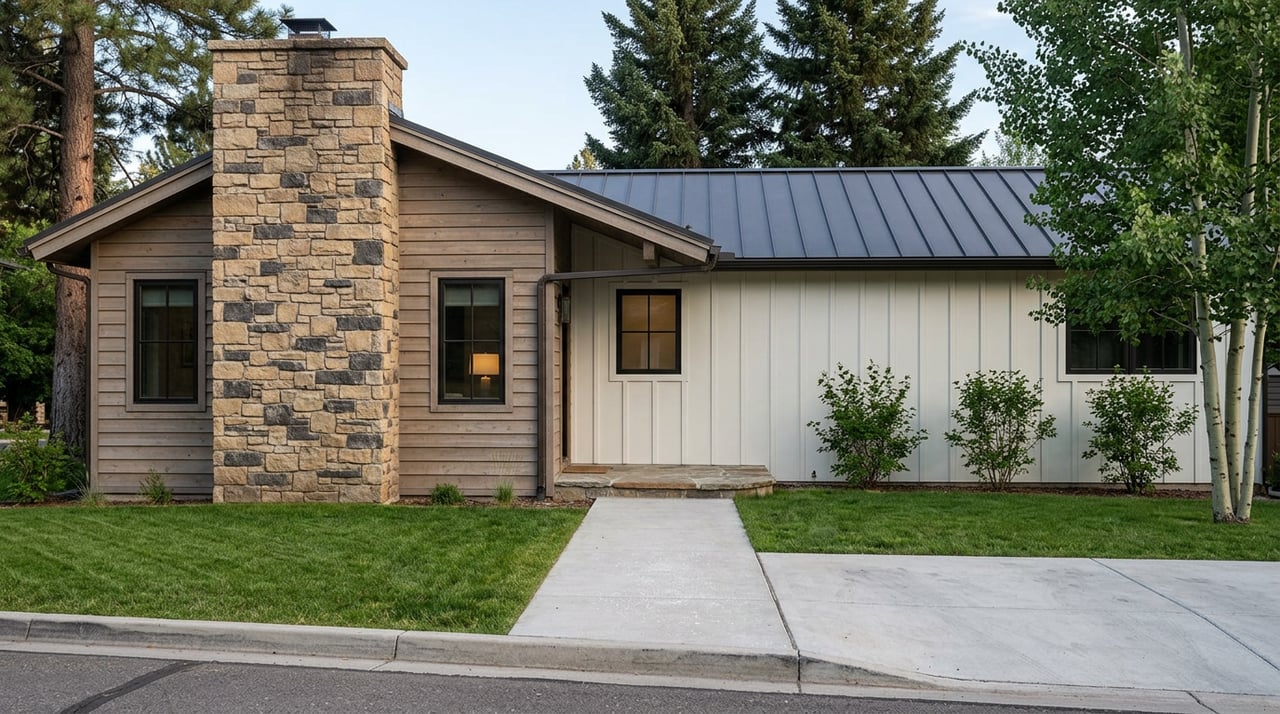
Trying to decide between a brand-new build and an existing Bozeman home? You’re not alone. With steady growth around Gallatin County and a mix of infill projects and new subdivisions, buyers face real tradeoffs on location, timing, and long-term value. In this guide, you’ll learn how new construction and resale homes compare in Bozeman so you can match your choice to your budget, timeline, and lifestyle. Let’s dive in.
Gallatin County has seen sustained price growth and tight supply, with much of the inventory affordable mainly to households above roughly 120% of area median income. The county’s housing strategy outlines the affordability pressure that is pushing more proposals for new neighborhoods and infill close to town. You can see that wider context in the county’s latest Gallatin County housing strategy.
Local median prices vary by source and time period. Different reports use different boundaries and property mixes, so treat any single median as a snapshot rather than a permanent benchmark. The bottom line for your decision is this: focus on your target neighborhoods and property types, and get a current, apples-to-apples view before you write an offer.
Key takeaway: New construction is expanding both at the edges of Bozeman and through infill near downtown. That gives you choices, but each path comes with tradeoffs.
New homes often sit in master-planned neighborhoods on the city’s fringes, with trails, parks, and newer infrastructure. Subdivisions like Flanders Mill and White Horse Ranch illustrate this pattern. You can also find infill new construction closer to downtown in smaller-lot, higher-density formats. The Canyon Gate plan in the Story Mill District is a good example of an infill, mixed-use approach near parks and trail connections. Learn more about that proposal from the developer’s Canyon Gate overview.
Existing homes are spread across established neighborhoods, often with more mature trees and landscaping and sometimes larger lots in certain areas. If quick access to downtown, MSU, and established amenities matters most, a resale in an in-town neighborhood or an infill new build may fit. If you want bigger views, newer streetscapes, and planned amenities, fringe subdivisions usually deliver that environment.
New construction gives you a say in floor plans, energy systems, and finishes. Just remember that the base price rarely includes all the options you want. Industry studies show interior finishes and system rough-ins are big cost drivers, which is why upgrades like cabinetry, appliance packages, and landscaping add up quickly. For context on what goes into a new build, see the builders’ study on the cost of constructing new homes.
Existing homes deliver a finished setting right away, often with mature landscaping and established neighborhood character. If you value move-in readiness, resale can be a great match. That said, older homes may need mechanical or envelope updates over time, like roof, HVAC, or window replacements. A practical overview of these tradeoffs appears in this guide to new construction vs existing homes.
Timing can be the biggest swing factor. A completed spec home may be ready in a few months. A semi-custom or custom build can take 6 to 18 months or longer, especially with design choices, weather, utility extensions, or trade schedules in play. Winter can slow site work, and additional review steps can add time.
Inside Bozeman, permitting runs through the city’s Development Center. The city uses electronic plan review and manages inspections, fees, and code adoption on specific cycles. Always verify current timelines, fees, and submission requirements with the City of Bozeman Development Center before you set a hard move-in date.
Financing also differs. Many new builds use construction-to-permanent or two-close construction loans with draw schedules and interest-only phases. Builders sometimes offer lender incentives or rate buydowns. Compare offers carefully and confirm how price protections or escalation language works in your contract.
Even brand-new homes benefit from independent inspections. Municipal inspections check code compliance, but they are not a substitute for a dedicated home inspector working for you. Many pros recommend staged checks such as pre-drywall, rough-in, the final walk-through, and a recheck around month 11 to catch warranty items. See the recommended steps in this new construction inspection checklist.
Most reputable builders provide warranties that commonly follow a 1-year workmanship, 2-year systems, and 10-year structural pattern, often administered by third-party providers. Always read the coverage, limits, and transfer rules. For background on typical builder programs, review builder warranty providers.
Resale homes should get a full home inspection to evaluate structure, roof, foundation, electrical, plumbing, HVAC, and any signs of moisture or prior repairs. Use the findings to negotiate repairs or credits, or to plan your first-year improvements.
New subdivisions often establish homeowners associations to fund common areas like trails, parks, irrigation, and snow removal, and to uphold design standards through CC&Rs. Fees and rules vary. You may also see one-time buy-in or transfer fees. Always request CC&Rs, the budget and reserves, and a current fee schedule early in your review. If you prefer minimal exterior restrictions, compare HOA rules with older neighborhoods that may offer more flexibility.
New construction typically raises assessed value once it is complete, and special districts or impact-related assessments may apply in some master-planned areas. For specifics on assessments and how to contact the county, consult the Gallatin County Assessor reference at PropertyTax101.
On resale prospects, location and land scarcity usually drive long-term appreciation. In a new subdivision that is still building out, you can face short-term competition from later phases. As phases complete and amenities mature, resale performance tends to track the wider market. The county’s housing strategy offers helpful context on supply and demand trends that shape long-run value.
Use this quick compare to narrow your path.
Start by ranking your top three priorities. If timing and in-town convenience are at the top, look first at resale in established neighborhoods and well-located infill options. If you want modern design and are flexible on timing, target phases of new subdivisions that align with your budget and lot preferences. In either case, build a realistic cost picture that includes upgrades or renovations, landscaping, window coverings, and ongoing HOA fees if applicable.
A local, experienced guide makes this process easier. We help you compare neighborhoods, lot options, builder reputations, HOA rules, permit considerations, and resale dynamics so your purchase fits both your lifestyle and your long-term plan. When you are ready to explore the right fit for you, connect with Montana Life Real Estate to get started.
Stay up to date on the latest real estate trends.
Buyer Tips
Get assistance in determining current property value, crafting a competitive offer, writing and negotiating a contract, and much more. Contact us today.