
Neighborhoods Montana Life Real Estate April 16, 2026
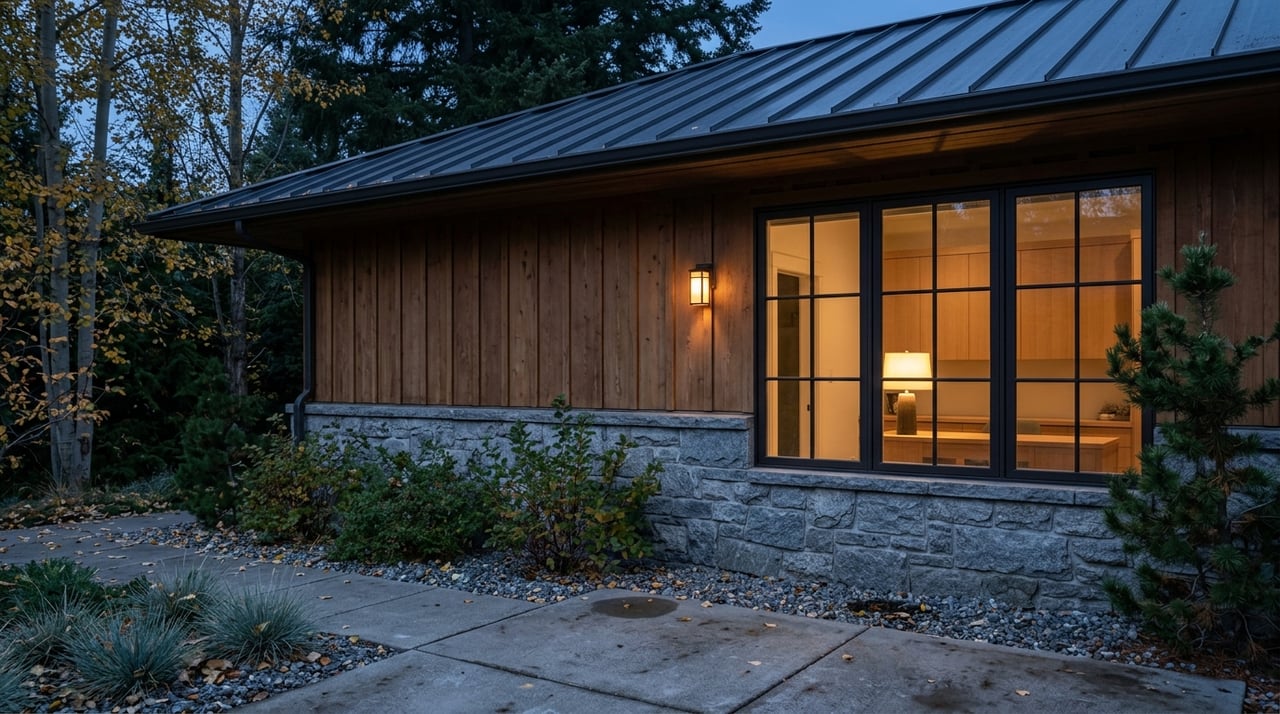
Thinking about moving to Bozeman so you can work from home with mountain access outside your door? You are not alone, but this move takes more than falling for the scenery. If you want your next home to support both your job and your lifestyle, you need to look closely at housing costs, internet options, commute patterns, and the tradeoffs between in-town convenience and more space outside city limits. Let’s dive in.
Bozeman has become a strong draw for remote-work buyers, especially those in tech and adjacent industries. Local economic development materials point to Bozeman’s role as a growing tech hub, and broader housing analysis from HUD notes that remote work helped bring more buyers to places beyond traditional commuting centers in recent years.
That said, the move only works well when your housing choice matches how you actually live and work. In Bozeman, that often means balancing office space, internet reliability, budget, trail or town access, and how much property upkeep you want to handle.
If you are relocating for remote work, your first big question is usually budget. Bozeman is not an entry-level market, and it helps to start with realistic numbers before you narrow your search.
According to U.S. Census QuickFacts for Bozeman, the city’s median owner-occupied home value is $687,900, while Gallatin County’s median is $667,600. The same source reports a median gross rent of $1,717 in Bozeman and a median monthly owner cost with a mortgage of $2,339.
HUD’s June 2025 Bozeman housing market analysis shows the for-sale market was balanced with 6.5 months of inventory. That report also put the average home price at $885,900, with existing homes averaging $906,800, and about 25% of sales above $1 million.
For many remote workers, that means you may need to make tradeoffs. A dedicated office, guest space, or larger lot can push your target budget up quickly, so it helps to decide early which features are must-haves and which ones are nice to have.
Some buyers move to Bozeman by renting first, especially if they want time to learn the area. That can be a practical step, but the type of rental you choose matters.
HUD reports that Bozeman apartment vacancy was 22.7% with an average apartment rent of $2,203. Professionally managed three-bedroom single-family rentals averaged $3,179, with only 1.6% vacancy.
That gap is important if you work from home. An apartment may lower your maintenance load and give you flexibility, while a single-family rental may give you better odds of finding a dedicated office, more privacy, or better separation between work and home life.
Remote work changes what “livable” means in a home. A beautiful kitchen or a big view may still matter, but your day-to-day experience often comes down to whether the property supports a reliable work routine.
A dedicated office is not just a luxury if you spend most of your week on calls or deep-focus work. In some homes, that might be a true office. In others, it could be a bonus room, loft, finished basement area, or detached flex space.
When you tour homes, think beyond the listing photos. Ask yourself if the space gives you privacy, natural light, and enough separation from the busiest parts of the house.
Your ideal property depends partly on how hands-on you want to be. If you want to lock the door and travel often, a condo or townhome may fit your routine better than a home on acreage.
If you want room for a detached office, gear storage, or more privacy, a single-family home may be a better fit. Just remember that more space often means more upkeep, both inside and out.
A simple way to think about it is this:
For remote workers, internet quality is a core housing feature. Bozeman performs well at a broad level, but citywide data should never replace address-level verification.
The Census reports that 98.2% of Bozeman households have a computer and 92.0% have a broadband subscription. Those numbers are encouraging, but service quality can still vary by neighborhood, street, and especially properties near the edge of town or on acreage.
Montana’s Broadband Office says Yellowstone Fiber is the state’s first high-speed open-access fiber-to-the-home network and aims to serve every address in the City of Bozeman while extending farther into Gallatin County. On that network, customers may be able to choose from multiple providers.
Other providers also advertise service in the area. Spectrum’s Bozeman internet page promotes plans up to 1 Gig, while service availability from providers like Quantum Fiber and CenturyLink depends on the address.
Before you move forward on a home, ask practical questions such as:
These questions become even more important if you are considering a home outside core in-town areas.
One of the biggest relocation decisions is whether you want to live in Bozeman proper or outside city limits. There is no one-size-fits-all answer. The right choice depends on your work habits, how often you want to be in town, and how much privacy or land you value.
If you want easier access to daily services, an in-town location can make your week feel simpler. Bozeman’s mean travel time to work is 15.5 minutes, according to the Census, which is short by many metro standards.
Bozeman also offers a range of neighborhood contexts rather than one single “best” area. The city recognizes neighborhood associations such as Midtown, University, Valley Unit, South Central, and Bozeman Creek, among others, which reflects how varied in-town living can be across the local market. You can review the city’s neighborhood associations resources if you want to understand the broader in-town landscape.
For people who prefer to drive less, Bozeman also has useful mobility options. Streamline is a zero-fare transit system serving the Gallatin Valley, with in-town routes and weekday commuter service to Belgrade and Livingston.
If bike and trail access matter to your daily routine, the city also maintains bike route information and supports broader pathways and active transportation planning. For some remote workers, being able to step out for a midday walk, ride, or quick trip into town is a real quality-of-life benefit.
If your priority is more space, privacy, or room for a detached office or shop, homes outside city limits may be appealing. The tradeoff is usually less convenience and more homework.
It is also important not to assume that moving outside Bozeman automatically means a major price break. Census figures show both city and county median housing values are in the high $600,000s, which suggests many buyers are trading for land or privacy rather than dramatically lower ownership costs.
For rural or small-acreage properties, utilities should move to the top of your checklist. Gallatin County’s records disclaimer states that the county does not warrant septic permits, utilities, zoning conformity, or other site-specific development constraints.
In practical terms, that means you should verify items like:
This is an area where working with a local brokerage that understands rural-property details can save you time and reduce surprises.
For many remote workers, “commute” no longer means driving to an office every day. It may mean getting to a coffee meeting, the airport, downtown appointments, Montana State University, trails, or errands without turning every outing into a project.
Gallatin County’s mean travel time to work is 18.3 minutes, which is still relatively short. Even so, your personal threshold matters. If you only go into town twice a week, more distance may be fine. If you want quick access to restaurants, transit, trails, or regular appointments, staying closer to Bozeman may be worth the trade.
A good rule is to map your real routine before you shop. Think about where you will go in a normal week, not just what looks appealing on a listing map.
If you are moving to the Bozeman area for remote work, keep your search focused on function as much as style.
Relocating well is rarely about finding the flashiest house. It is about finding the property that supports your workday, your budget, and the way you want to live in Montana.
If you are planning a move, Montana Life Real Estate can help you compare in-town homes, low-maintenance options, and acreage properties across Bozeman and Gallatin County with clear, local guidance at every step.
Stay up to date on the latest real estate trends.
Buyer Tips
Get assistance in determining current property value, crafting a competitive offer, writing and negotiating a contract, and much more. Contact us today.