
Neighborhoods Montana Life Real Estate April 23, 2026
Craving a home where the day starts with mountain light and ends with easy access to trails, snow, and open space? Bridger Canyon offers a rhythm that feels both grounded and adventurous, especially if you want room to breathe while staying connected to Bozeman. In this guide, you’ll get a practical look at what mountain life here really means, from recreation and road access to property patterns and land-use character. Let’s dive in.
Bridger Canyon is generally understood as the MT 86 corridor northeast of Bozeman. According to the Montana Department of Transportation, this scenic route runs from the Story Mill Road intersection to US 89 north of Wilsall for about 35.5 miles, passing rural farmland, recreation areas, private homes, and public land.
That setting matters if you are picturing daily life here. The canyon is not a typical subdivision-driven market. It is a corridor shaped by ranchland, forest access, ski culture, and a road network that connects people to both town and the mountains.
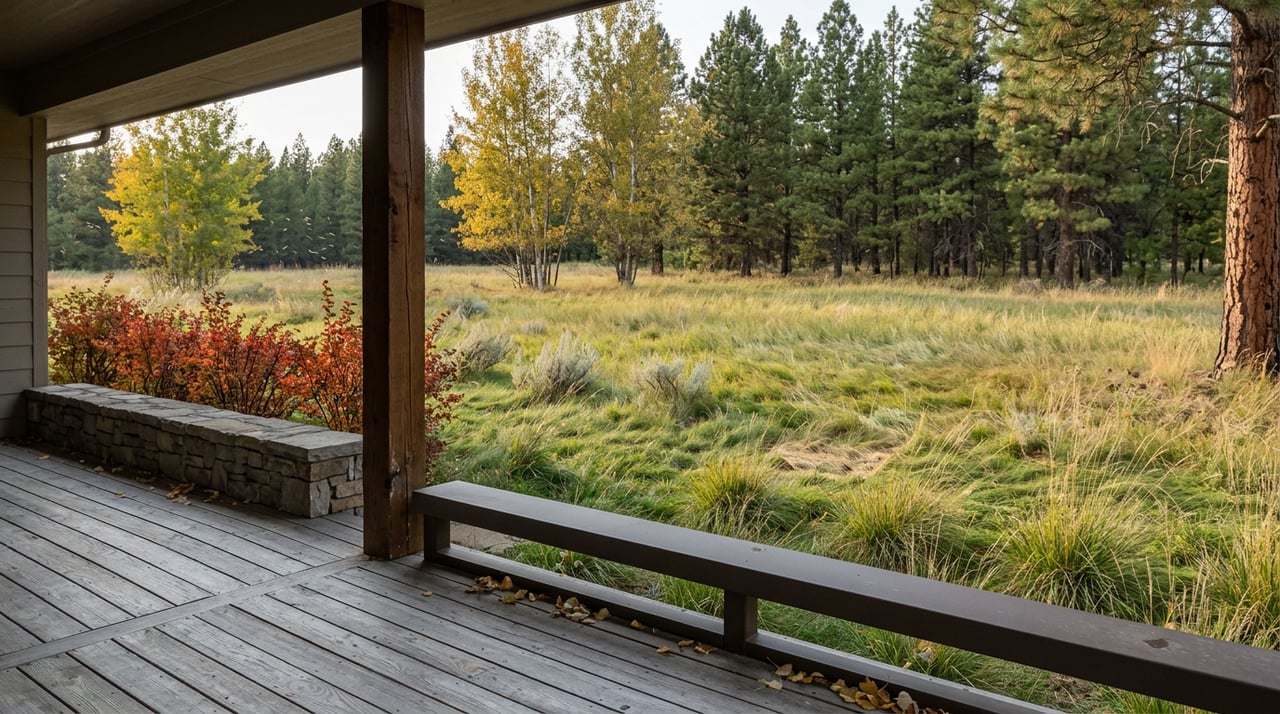
Life in Bridger Canyon often follows the seasons, but it also follows access. You are close to Bozeman, yet much of the appeal comes from how quickly a normal day can turn into a trail day, ski day, or quiet evening with big views.
This is one of the strongest draws for buyers who want a property that feels private without giving up connection to services, dining, and year-round activity in the Bozeman area. The result is a pace that can feel calm at home and active the moment you step outside.
The canyon is ringed by trailheads and public access points. The Forest Service notes that the Bridger Foothills National Recreation Trail is 24 miles long and begins at the M parking lot four miles northeast of Bozeman.
That same access map points to west-side trailheads including Sypes Canyon, Middle Cottonwood, Truman Gulch, and Corbly Gulch, along with east-side access such as Flathead Pass, Fairy Lake Campground, and Ross Pass. For many people, this trail network is a big part of the appeal because it creates variety across hiking, running, and mountain recreation without requiring a long getaway.
The connection between town and trail is also improving. GVLT’s Path to the M trail is a 2.1-mile shared-use path linking Bozeman to the College M and Drinking Horse trailheads, and Gallatin County approved open-lands funding in 2025 for Bridger Canyon projects that include a new 6.25-mile natural-surface mountain bike trail plus winter trail grooming and enhancement work.
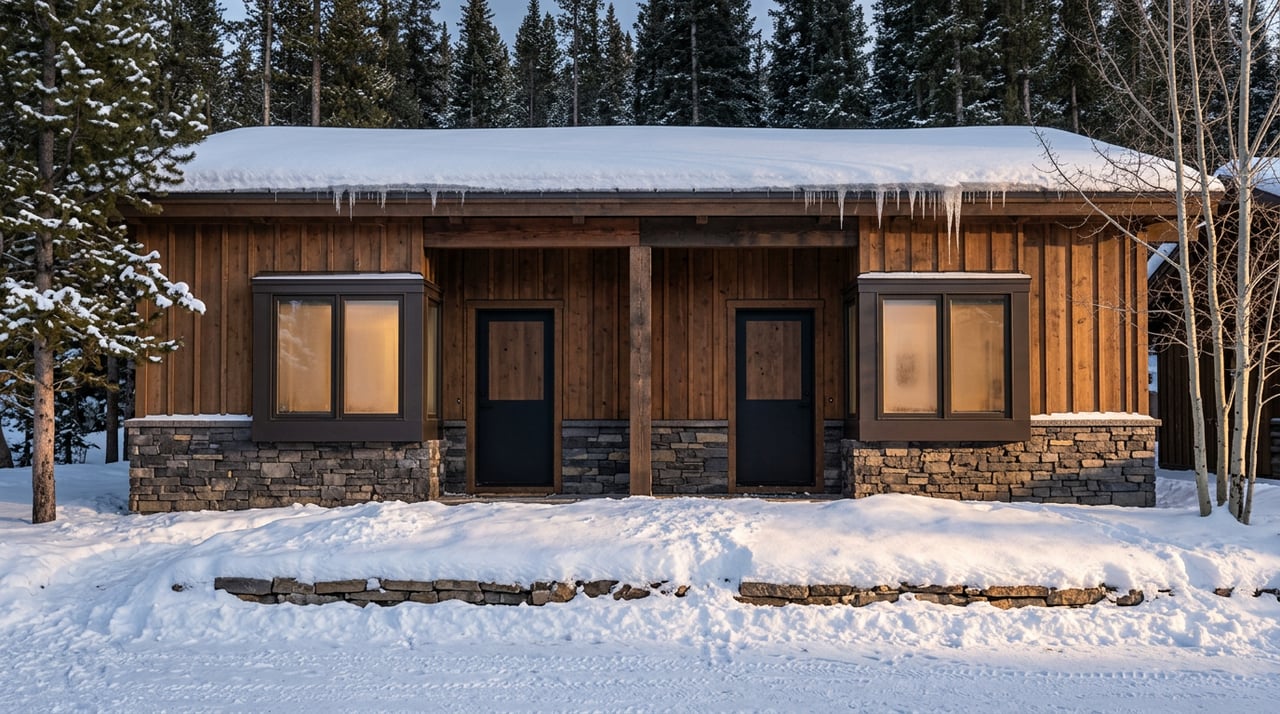
When winter arrives, Bridger Canyon takes on a different energy. Bridger Bowl is one of the canyon’s defining anchors, located at 15795 Bridger Canyon Road and operating under a special use permit with the Custer Gallatin National Forest.
For skiers, it offers a broad range of terrain, but it is important to understand that the ridge terrain is expert-level. Bridger Bowl states that this area includes steep chutes, rock cliffs, no grooming or marked trails, and an avalanche transceiver requirement for ridge access.
Just north of Bozeman, Crosscut Mountain Sports Center adds another layer to the canyon lifestyle. Crosscut sits 17 miles north of Bozeman on 500 acres adjacent to Bridger Bowl and offers human-powered recreation, outdoor education, and ski, biathlon, and mountain bike programs, along with 28 miles of trails and winter options such as skiing, snowshoeing, fatbiking, and biathlon.
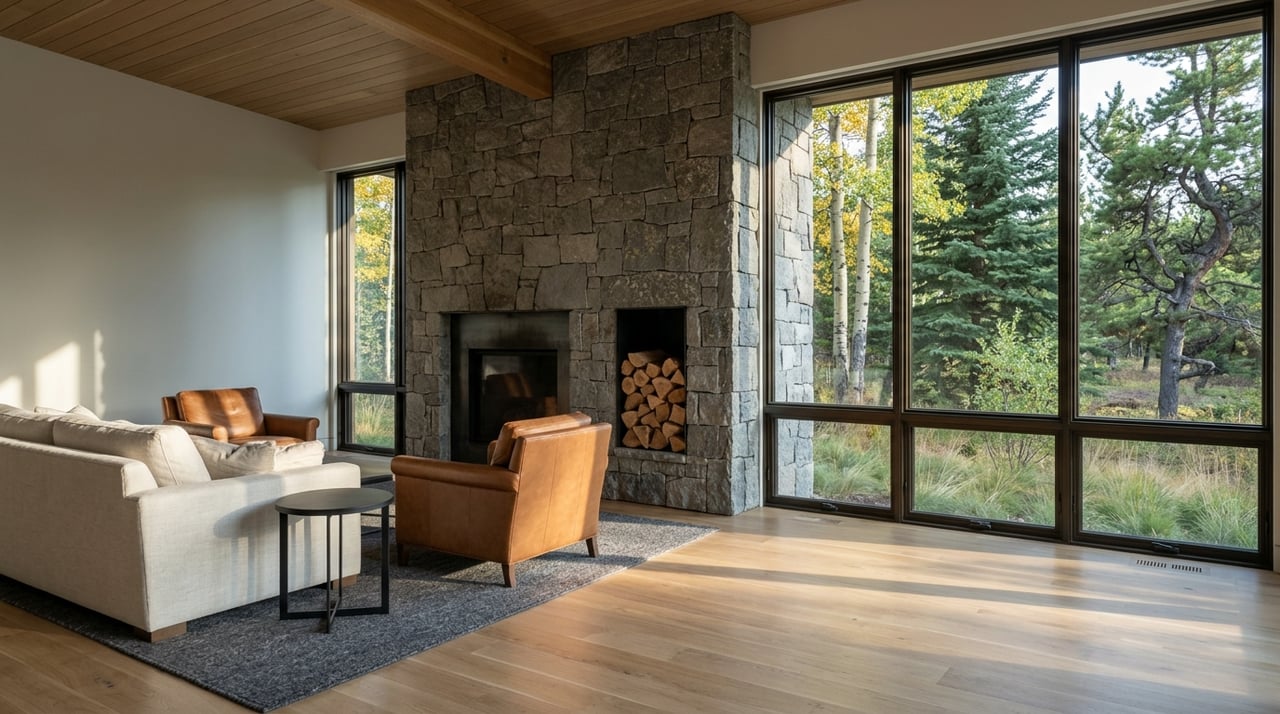
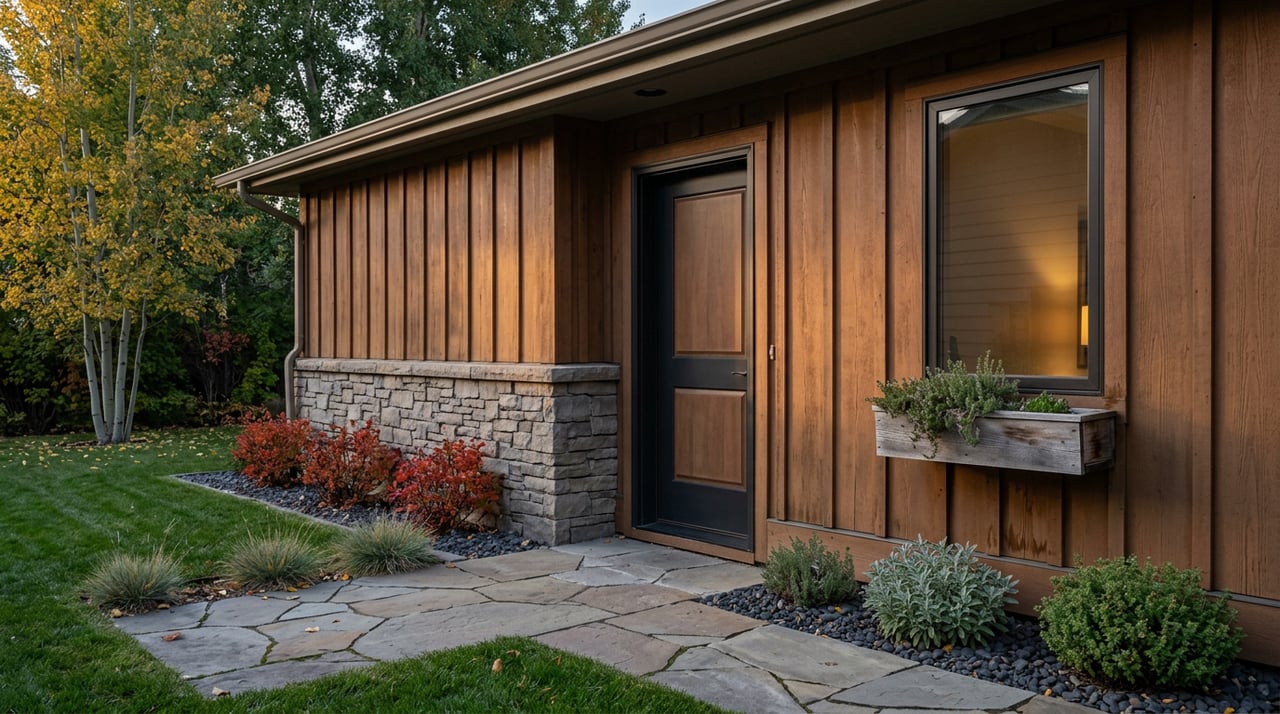
Bridger Canyon is shaped as much by land-use planning as by scenery. If you are considering a move here, it helps to know that the property mix often includes acreage homes, small ranches, guest-ranch style properties, and ski-area-adjacent recreational housing near the base area.
That does not happen by accident. County planning documents describe a long-term goal of preserving open space, agriculture, scenic resources, water quality, and limited controlled growth, while encouraging a healthy agricultural and residential atmosphere instead of suburban-style spread.
The Bridger Canyon General Plan explicitly encourages clustered development and preservation-minded growth. In practical terms, that means you are more likely to encounter larger parcels, agricultural land, forested areas, and homes that feel integrated with the landscape.
For buyers, this helps explain why the canyon often feels more spacious and less built out than many markets closer to town. For sellers, it highlights one of the area’s clearest value drivers: a land-use pattern that supports scenic character and long-term appeal.
The zoning code gives more detail on what buyers are likely to see. In the Agriculture Exclusive district, permitted uses include agriculture, one principal single-family dwelling unit, one accessory dwelling unit, accessory buildings, and home occupations, with a minimum parcel size of 40 acres.
In the Recreation and Forestry district, permitted or conditional uses can include a single-family dwelling on 40-acre parcels, seasonal recreational campsites, ski lift facilities, pack stations, guest ranches, and cross-country ski facilities. That framework helps explain why the canyon supports a mix of residential, agricultural, and recreation-oriented uses while still maintaining a low-density feel.
Near the ski area, the land-use pattern shifts somewhat. In the Base Area Recreation and Forestry district, the code allows one dwelling unit per 40 acres and supports overnight accommodations and recreational housing, which is why the base area tends to feel more resort-oriented than the rest of the canyon.
That difference is useful if you are deciding between a more private acreage setting and a property with stronger proximity to ski access and recreation infrastructure. One is not better than the other. It simply depends on how you want your day-to-day life to work.
If Bridger Canyon is on your list, it is smart to think beyond views alone. A beautiful property here also comes with practical questions about access, land use, and how you plan to use the home over time.
A few smart points to evaluate include:
For acreage and rural properties especially, these details can shape both your daily experience and the long-term utility of the land. This is where local guidance matters.
If you own property in Bridger Canyon, your home story should do more than mention mountain views. Buyers are often looking for a very specific combination of lifestyle, land character, and recreational access.
A strong listing position may include:
For high-value homes, acreage, or recreation-adjacent properties, polished marketing matters, but so does clear explanation. The more accurately a property’s land-use context and lifestyle benefits are presented, the more useful and credible the listing becomes.
Bridger Canyon is easy to romanticize, and for good reason. It offers a rare blend of scenery, recreation, and breathing room close to Bozeman. But it is also a place where zoning, parcel size, and corridor access play a real role in how a property functions.
That is why buyers and sellers benefit from working with someone who understands both the lifestyle side and the technical side. In a market like this, mountain living is not just about the home itself. It is also about the land, the setting, and the rules that shape what is possible.
If you are thinking about buying or selling in Bridger Canyon, Montana Life Real Estate can help you make sense of the details and move forward with clear, grounded advice.
Stay up to date on the latest real estate trends.
Get assistance in determining current property value, crafting a competitive offer, writing and negotiating a contract, and much more. Contact us today.