
Lifestyle Montana Life Real Estate April 9, 2026
If you are thinking about living in Bozeman, it helps to know this is not a place with one long, mild season. Bozeman has a true four-season rhythm, and that shapes everything from your weekend plans to the kind of home that feels practical year-round. When you understand how winter, spring, summer, and fall really work here, you can make a smarter move and feel more prepared once you arrive. Let’s dive in.
Bozeman’s climate feels distinctly seasonal, not just slightly different month to month. According to 1991 to 2020 climate normals at the Montana State University station, the area averages an annual high of 56.2°F and low of 32.0°F, with about 20.03 inches of precipitation and 91.3 inches of snowfall.
That means your daily routine changes with the calendar in a meaningful way. July and August average highs in the low 80s, while January and February average highs stay in the mid-30s and lows drop much colder. If you want a place where every season brings a different pace and set of activities, Bozeman delivers that in a big way.
Winter is a major part of life around Bozeman, and it is one of the reasons many people move here in the first place. Snow is not just a scenic backdrop. It affects roads, driveways, parking, storage, and how you use your home from day to day.
For skiers and riders, Bridger Bowl is a defining local asset. The mountain offers 2,000 acres of skiable terrain, more than 75 runs, and an average of 300 inches of seasonal snowfall. It is also a nonprofit, community-oriented ski area that reinvests in the mountain and local programs, which says a lot about the local culture around winter recreation.
If you are also looking at bigger destination skiing, Big Sky Resort offers 5,850 acres, 40 lifts, 320 named runs, and 400 inches of annual snowfall. Its winter guide notes that visitation is heaviest around Christmas, New Year’s, and holiday periods in January and February, while April is often quieter. It also notes that winter driving conditions can matter, especially with travel patterns tied to ski days.
In a place with this much snow, the right house is not just about looks or square footage. It is also about how the property handles winter.
Features many buyers pay close attention to include:
These priorities are simple, but they can make a big difference in how comfortable your daily life feels from December through early spring.
Spring around Bozeman is not always a quick, clean shift into warm weather. It is a real shoulder season, and that comes with mud, changing conditions, and a slower thaw than some newcomers expect.
The climate data shows March and April still average about 13 inches of snowfall each, which helps explain why spring can feel more transitional than fully warm. Local trail guidance also regularly notes muddy conditions in spring and fall, plus icy conditions in winter. In practical terms, spring here often means keeping your plans flexible.
One of the clearest examples is the Hyalite Recreation Area, about 17 miles south of Bozeman. The Forest Service notes that the area closes to motorized use from April 1 to May 15 because of spring break-up, while remaining open to non-motorized use. That seasonal shift gives you a good picture of how quickly the landscape changes during thaw.
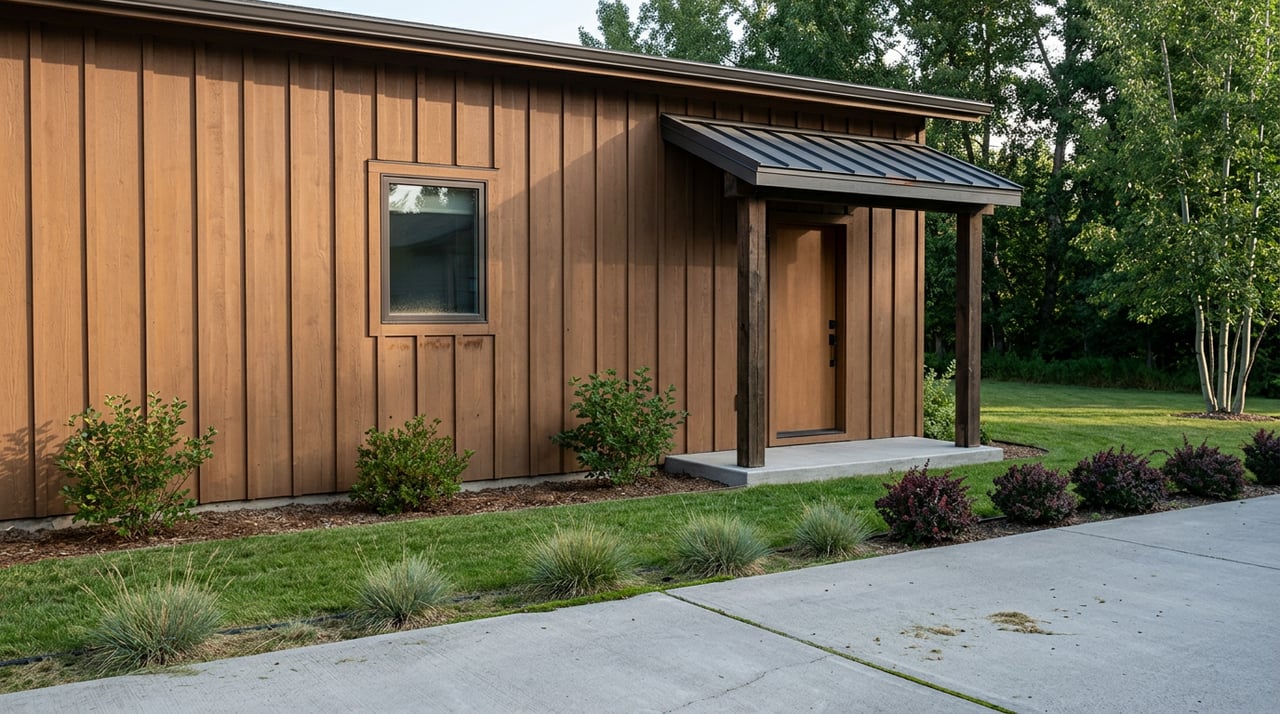
Spring is when property maintenance details start to matter more. Drainage, driveway conditions, and exterior access become easier to notice when snow melts and the ground softens.
If you are buying in the Bozeman area, spring is a good season to think about:
This season can be quieter in some ways, but it is also one of the best times to understand how a home really functions.
Summer is when many people fully fall in love with life around Bozeman. Warm days, cool nights, and easy access to trails and water create an outdoor-focused routine that feels very different from winter.
According to the same NOAA climate normals, July and August highs average in the low 80s, while nighttime temperatures are around 50°F. That usually makes evenings comfortable, and it also means outdoor spaces can be useful throughout the day. The Forest Service also notes that thunderstorms can occur in spring, summer, and fall, so summer weather is active, not static.
Hyalite is again one of the standout examples of summer living. The Hyalite day-use area includes opportunities for boating, canoeing, fishing, hiking, climbing, swimming, and other non-motorized water recreation. It is the kind of place that helps define how local residents spend free time once the snow is gone.
The broader trail network is another major part of the lifestyle. GVLT describes the Main Street to the Mountains trail system as 100 miles long, with uses that include commuting, walking, biking, running, Nordic skiing, and sledding depending on the season. Gallatin County Regional Park is a good example of that multi-season flexibility, with a beach and swimming area in summer and Nordic ski trails and sledding in winter.
Summer-oriented living often changes what feels valuable in a property. Instead of focusing mostly on snow management, many buyers start thinking about storage, access, and usable outdoor space.
That often includes:
If your ideal Montana day includes heading out for a hike, bike ride, or paddle and coming home to a comfortable outdoor space, those features tend to move up the priority list.
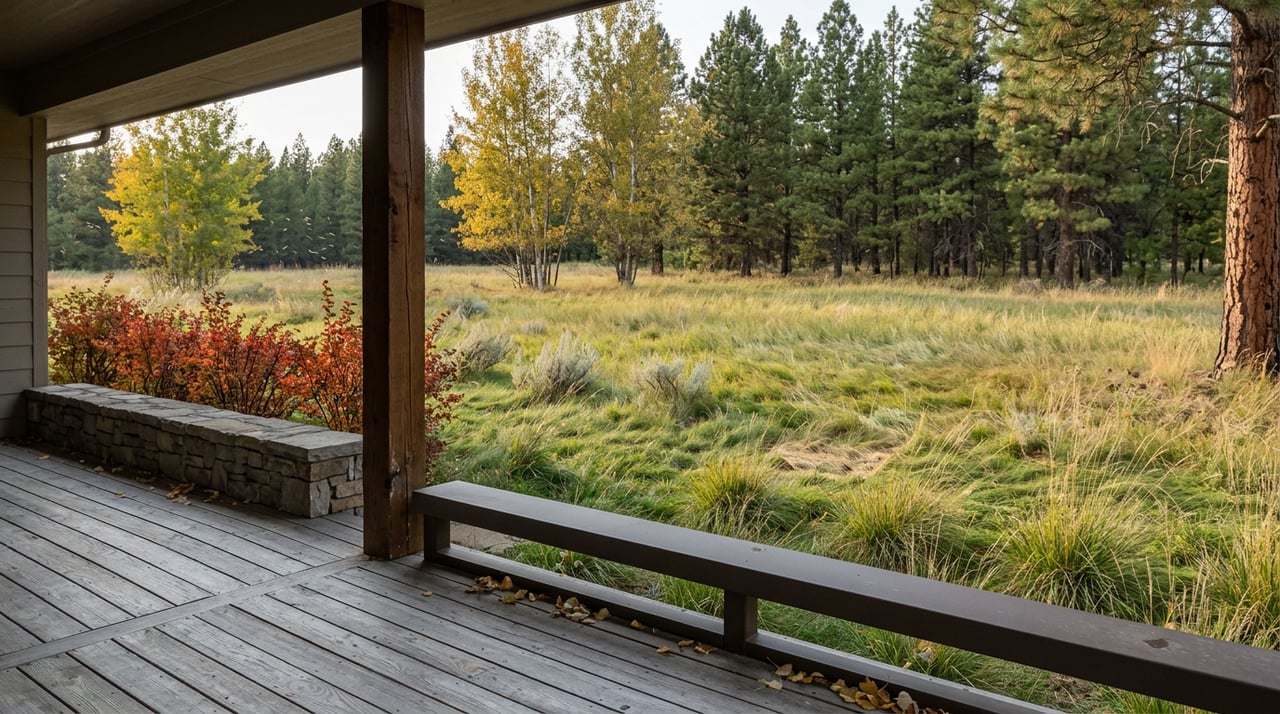
Fall in Bozeman is not just about crisp air and changing leaves, though you will certainly get both. It is really a transition season, when summer recreation starts to shift and winter starts moving back into view.
The Forest Service highlights aspen fall color across the West, and local trails such as Kirk Hill pass through aspen areas connected to the Custer Gallatin National Forest. Around Bozeman, that makes fall color part of the seasonal rhythm, especially along trail corridors and at higher elevations.
Fall also overlaps with hunting season, which is part of the broader outdoor calendar in Montana. The Montana Fish, Wildlife & Parks hunting seasons page shows fall opportunities for deer, elk, upland birds, and other species, with dates varying by district and some seasons extending into winter. For everyday living, that can influence how certain areas feel on weekends and how some people plan recreation during the season.
Trail conditions also start turning again in late fall. GVLT notes on the Sourdough Trail page that trails can be muddy in fall and spring and icy in winter. Higher elevations may see early snow, which makes fall a practical season to think ahead rather than assume summer conditions will last.
Fall is a useful reminder that the easier a property is to maintain, the smoother seasonal transitions tend to feel. It is a good time to notice things that may matter more once winter returns.
You may want to pay attention to:
For many buyers, this is the season when lifestyle dreams become practical questions, and that is a good thing.
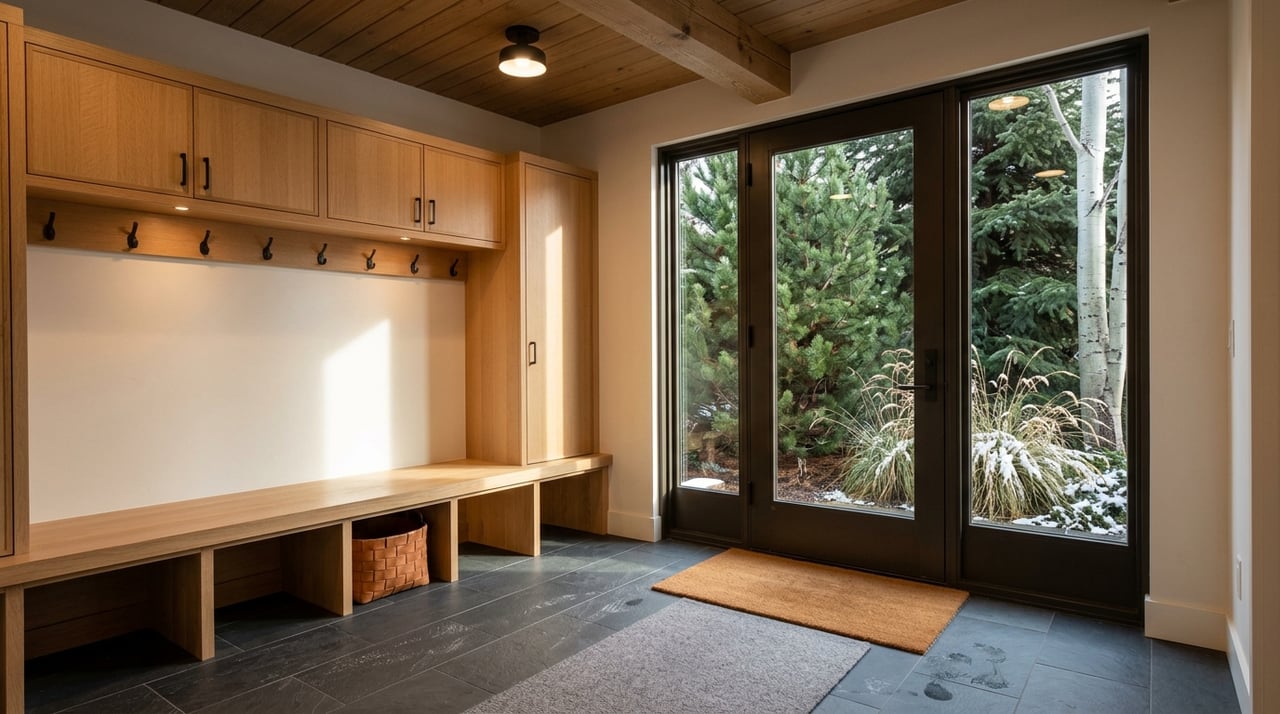
The best property around Bozeman often depends on how you want to live through the full year, not just one favorite season. A full-time household with an active outdoor routine may care most about garage space, mudrooms, drying areas, efficient heating, and easy snow removal.
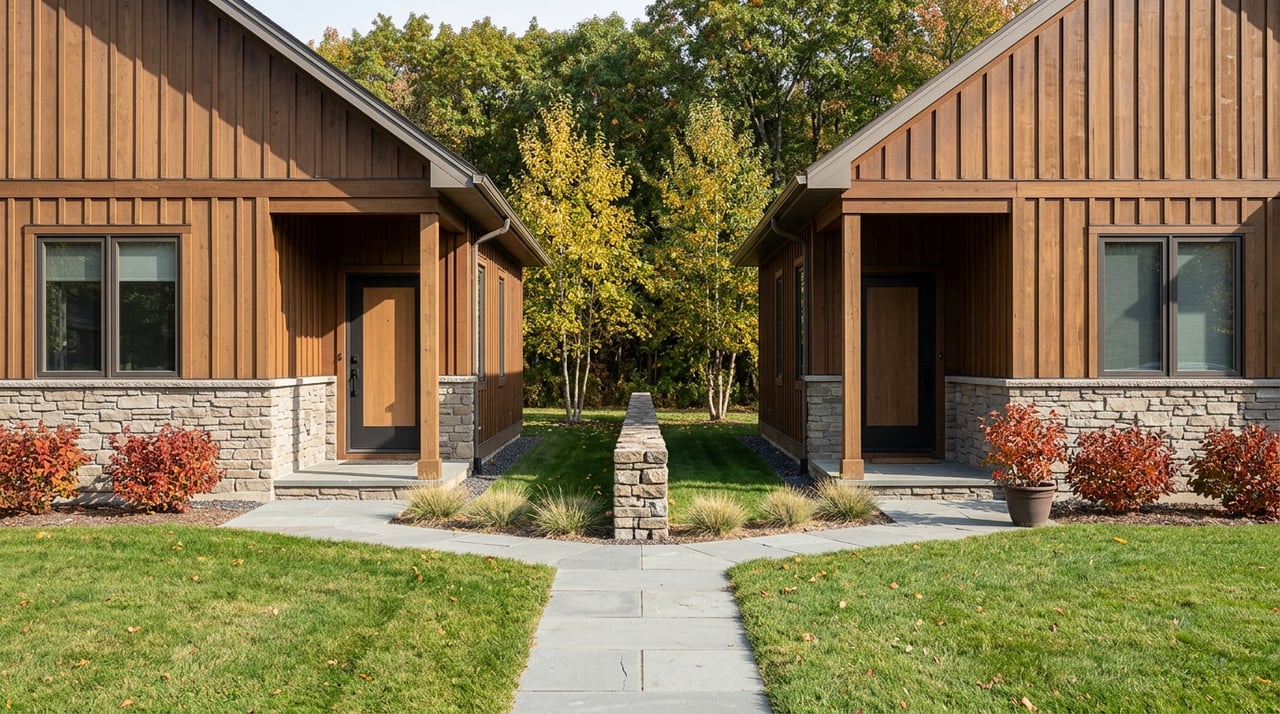
If you are looking for a second home or extended-stay property, a lower-maintenance setup may make more sense. Condo and townhome options can appeal to buyers who want a lock-and-leave lifestyle, especially in a region where winter snow, spring thaw, and summer recreation all create recurring upkeep considerations.
Access style matters too. If skiing is central to your routine, you may prioritize proximity to Bridger Bowl or a setup that supports easier winter travel toward Big Sky. If you want a quieter day-to-day rhythm, you may lean toward areas that make it easy to enjoy Bozeman’s trail network, parks, and downtown amenities throughout the year.
There is no single perfect fit for everyone. The goal is to find the property that supports your version of life in southwest Montana, season after season.
When you are ready to talk through what that looks like for you, Montana Life Real Estate offers the local perspective and hands-on guidance to help you weigh lifestyle, access, and long-term fit with confidence.
Stay up to date on the latest real estate trends.
Get assistance in determining current property value, crafting a competitive offer, writing and negotiating a contract, and much more. Contact us today.