
Real Estate Montana Life Real Estate February 5, 2026
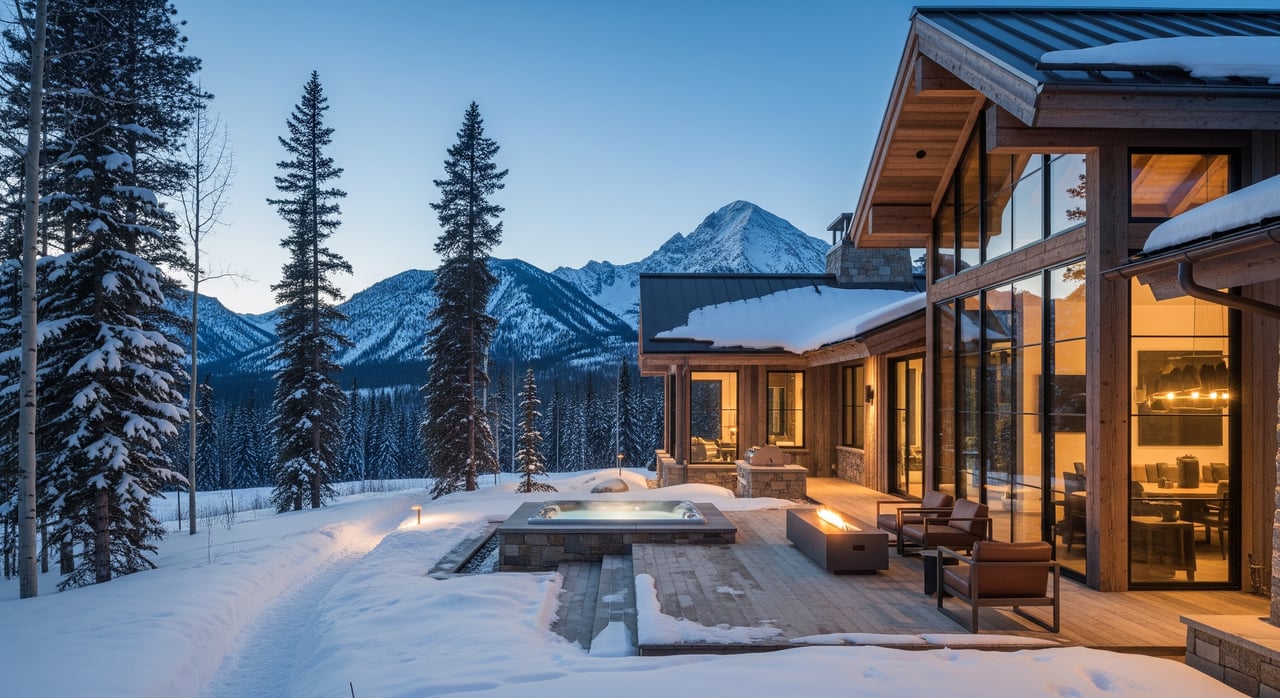
Picture your morning starting with fresh mountain air and ending with a quiet evening by the fire. Owning a second home in Big Sky gives you that rhythm, with a lifestyle shaped by seasons and the outdoors. If you’re weighing the idea, you want a clear picture of day-to-day life, the true costs, and what it takes to manage a property from afar. This guide gives you the practical details, from winter access and utilities to rental potential and community services. Let’s dive in.
Winter is Big Sky’s headline season, centered on alpine skiing and snow sports. You’ll see the most activity on weekends and holidays, with quieter weekdays outside peak periods. A typical day might include a morning commute to the lifts, skiing through the afternoon, and après in Mountain Village or Town Center. You’ll check weather and road reports often and keep snow removal on a steady schedule.
Summer brings hiking, mountain biking, fly fishing on the Gallatin River, rafting, horseback riding, and a steady calendar of events. It’s busy, but activity is spread out across trails, rivers, and neighborhoods. Many owners settle in for extended stays, balancing early-morning outings with easy afternoons for groceries, cafés, and local get-togethers.
Spring can swing between late snow and early trail access at lower elevations. Some businesses scale back hours as the resort transitions seasons. Fall is the quietest time, with foliage, hunting seasons in surrounding public lands, and plenty of space to enjoy town and trails without crowds.
The primary gateway is Bozeman Yellowstone International Airport (BZN). Drive time to Big Sky is commonly about 45 to 60 minutes, depending on weather and where your home sits. US‑191 is the main corridor, and winter storms can slow travel. Most owners prefer SUVs or 4WD, quality snow tires, and a reliable snow removal plan. During peak winter, private shuttles and transfers are widely used.
Electricity is provided regionally, and utility setups vary by neighborhood. Some subdivisions have community water and sewer, while others use private wells and septic systems. Broadband has improved, but speeds still vary across mountain properties. Satellite options have become a dependable fallback in many homes. Always confirm available providers and test speeds at the address you’re considering.
Cold weather management is a steady part of ownership. Plan for:
Many absentee owners hire a local caretaker or property manager to coordinate vendors and handle storm response.
Second homes are insured differently than primary residences. Carriers often look for continuous occupancy safeguards, like monitored alarms and caretaker checks. In this landscape, you should also assess natural hazards:
Many Big Sky neighborhoods and resort developments have HOAs with architectural standards, exterior maintenance rules, parking guidelines, and rental policies. Dues can be significant where amenities include shuttles, pools, or grooming. Some areas also have deed-restricted housing programs with limitations on resale or rental. Always read the CC&Rs and ask about current dues, special assessments, and scope of services.
Short-term rentals see strong demand in peak winter and summer periods, with slower shoulder seasons. Performance depends on location, property type, amenities, and management. Big Sky is unincorporated and governed largely by Gallatin County, with some parcels in Madison County. If you plan to rent, you should:
Revenue can offset costs, but model conservative occupancy and net income after fees, taxes, and capital reserves.
Big Sky is a premium market with a wide range of property types and price points. Beyond your purchase, ongoing expenses often include:
Big Sky Town Center and nearby village areas offer grocery stores, restaurants, coffee shops, specialty stores, and everyday services. Hours and staff scale to the season. Local clinics and urgent care support routine needs, while Bozeman provides major hospital services and specialists. Response times outside town centers can be longer than in urban areas. Public school options serve the community, and offerings differ from larger districts. If you plan extended family stays, review current boundaries, enrollment policies, and transportation details ahead of time.
Use this as a working list while you explore properties:
If you love skiing, mountain trails, and a community that shifts with the seasons, Big Sky can be a rewarding second-home base. You get world-class recreation and a relaxed daily pace, with the tradeoff of winter planning, variable connectivity in some pockets, and higher operating costs. With the right property type, realistic budgets, and a reliable local team, you can enjoy the best of the mountains while keeping ownership smooth.
When you’re ready to explore neighborhoods, compare property types, or run a rental and operating-cost outlook for a specific address, connect with the team that lives this market every day. Reach out to Montana Life Real Estate to start a clear, step-by-step plan for your Big Sky second home.
Stay up to date on the latest real estate trends.
Buyer Tips
Get assistance in determining current property value, crafting a competitive offer, writing and negotiating a contract, and much more. Contact us today.