
Buyer Tips Montana Life Real Estate July 23, 2026
Wondering whether a Big Sky condo or a standalone home is the better fit? It is a common question, especially if you are balancing ski access, privacy, upkeep, and the possibility of renting the property when you are not using it. The good news is that both options can work well in Big Sky, but for different reasons. This guide will help you compare the tradeoffs so you can make a smarter, more confident choice. Let’s dive in.
Big Sky is not a one-size-fits-all market. As a mountain resort destination about an hour from Yellowstone and a little over an hour south of Bozeman, it draws buyers looking for everything from lock-and-leave vacation property to spacious mountain retreats.
That is why the condo-versus-home decision matters so much here. When exploring Big Sky homes and condos, condos often appeal to buyers who want convenience and shared services, while standalone homes tend to appeal to buyers who want more privacy, space, and control.
In Montana, a condominium is generally ownership of an individual unit plus shared ownership in common elements. Those common elements can include items like roofs, hallways, parking areas, and shared systems. Common expenses typically cover administration, maintenance, repair, and replacement of those shared areas.
For you as a buyer, that legal structure often translates into a lower-maintenance ownership experience. You still own your unit, but some of the exterior and shared-property responsibilities are handled through the condo association structure.
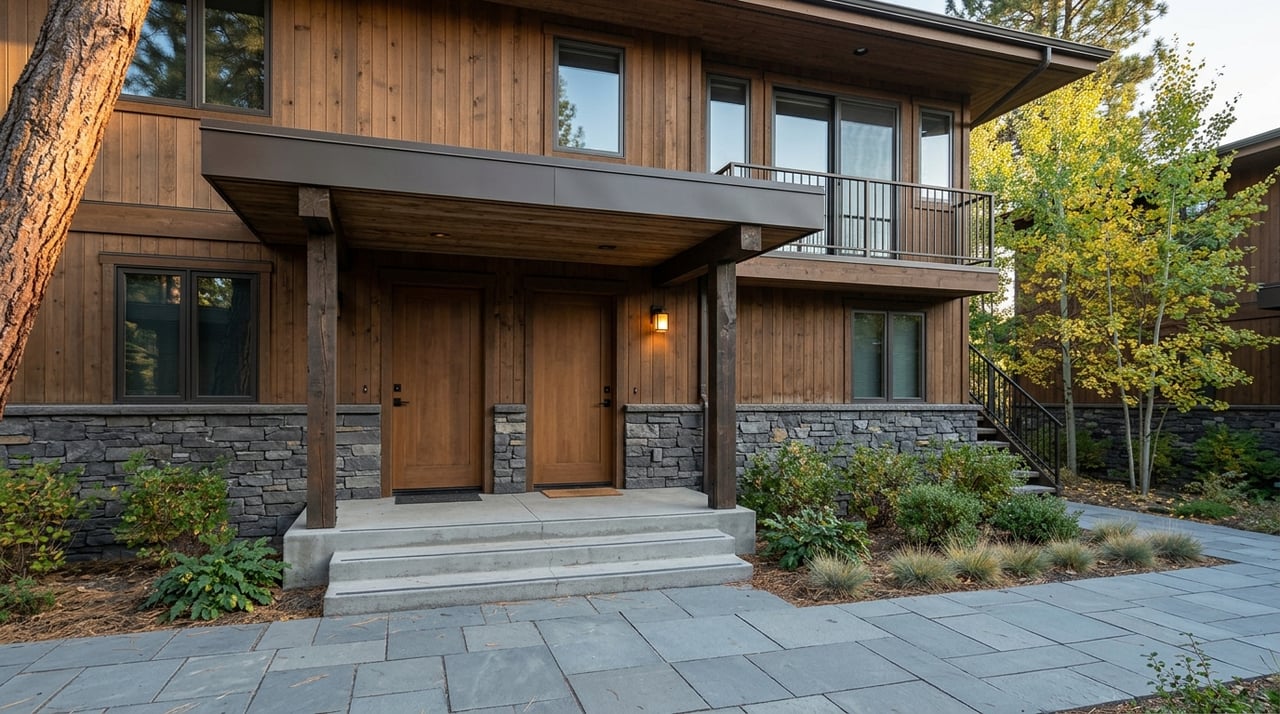
In Big Sky, condos often come with the features second-home buyers want most. Depending on the property, that can include slope-side access, walkability to Mountain Village, elevators, fireplaces, private hot tubs, housekeeping, and concierge-style guest services (see our guide on choosing the right Big Sky neighborhood for a ski base).
If you live out of state or plan to use the property seasonally, that setup can feel much easier to manage. It also tends to fit buyers who value a more turnkey ownership experience.
Convenience comes with shared rules and shared costs. Since common expenses help cover the upkeep of common elements, you will want to understand what dues pay for and what remains your responsibility.
You should also review the recorded declaration and bylaws closely. Those documents help answer practical questions about maintenance, common-area use, and whether there are limits on rentals or guest use.
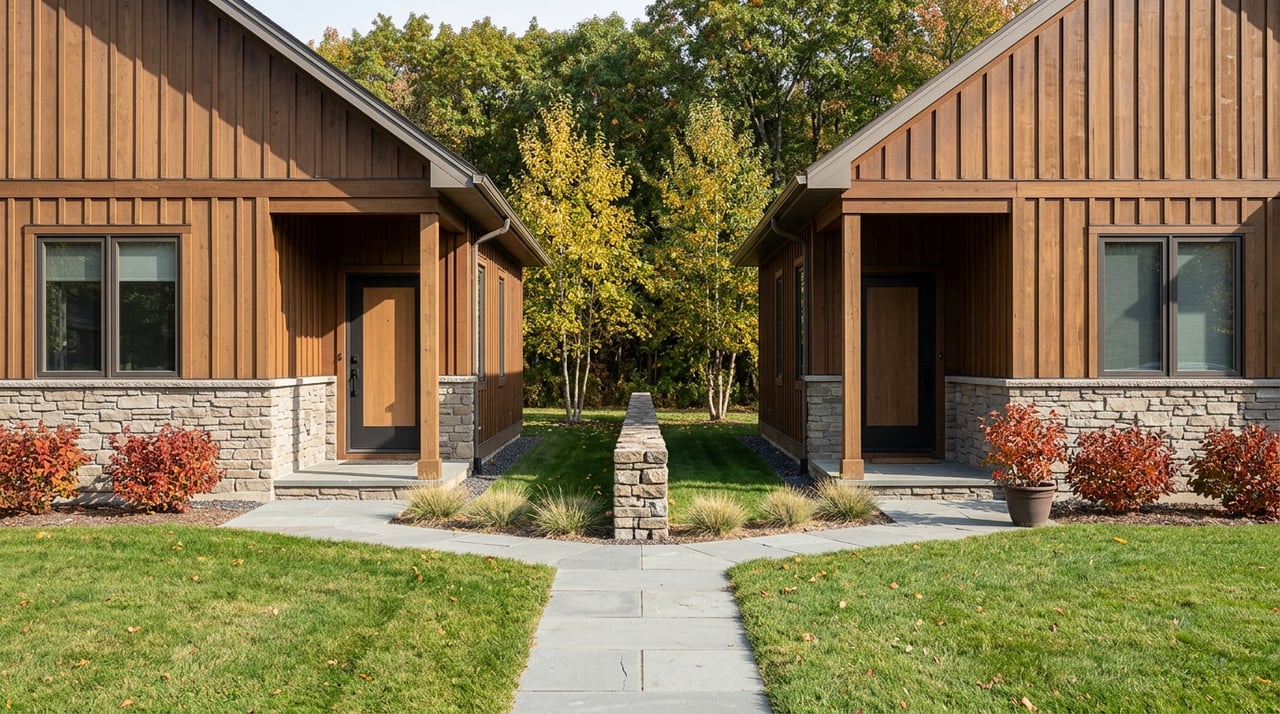
Townhomes are often grouped together with condos in resort marketing, but they are not always the same thing. Under Montana law, a townhome or townhouse can mean an owner has separate title to the unit and the land beneath it, while common areas and facilities may be jointly owned.
That difference matters because the ownership structure affects what you own directly and what is maintained jointly. In some cases, the condominium statutes apply to a townhome only if a declaration has been recorded, so the property label alone does not tell you enough.
In Big Sky, you may see listings that market both condos and multi-level townhomes with similar lifestyle benefits. But the real answers are in the property documents, not the marketing language.
Before you buy, it is important to confirm what the declaration and HOA documents say about exterior maintenance, common areas, and rental rules. That step can prevent surprises later.
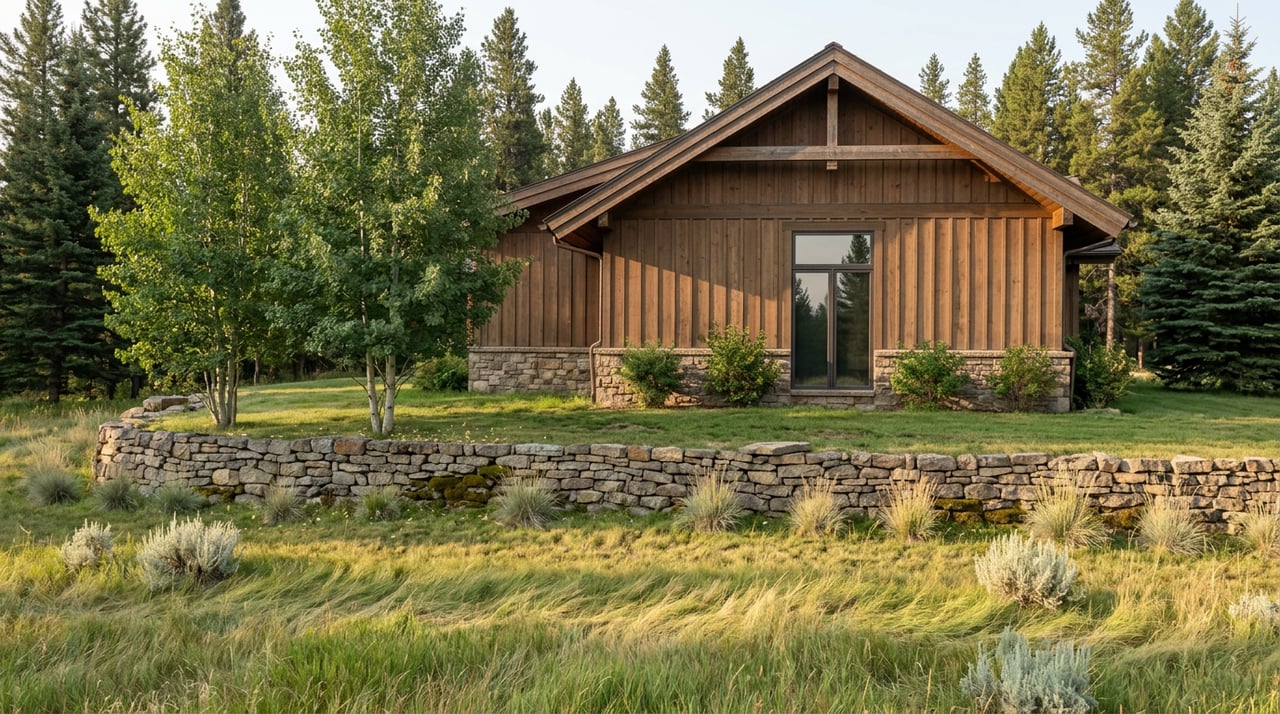
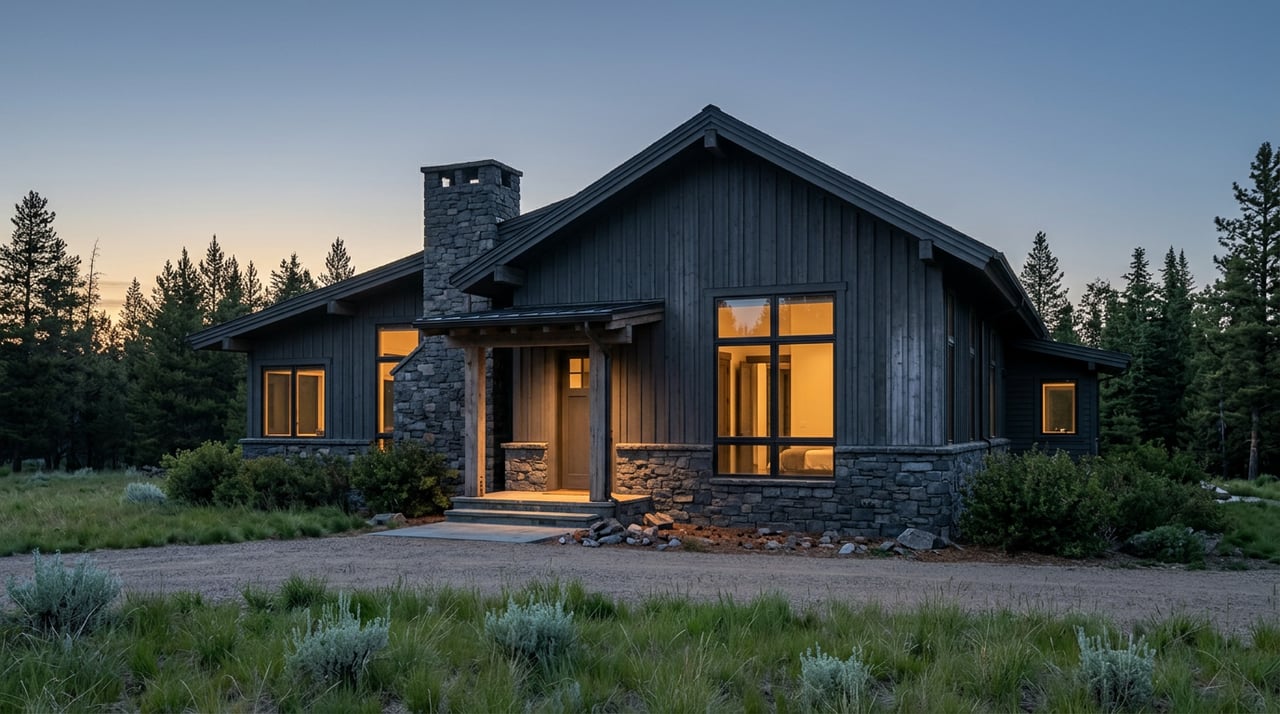
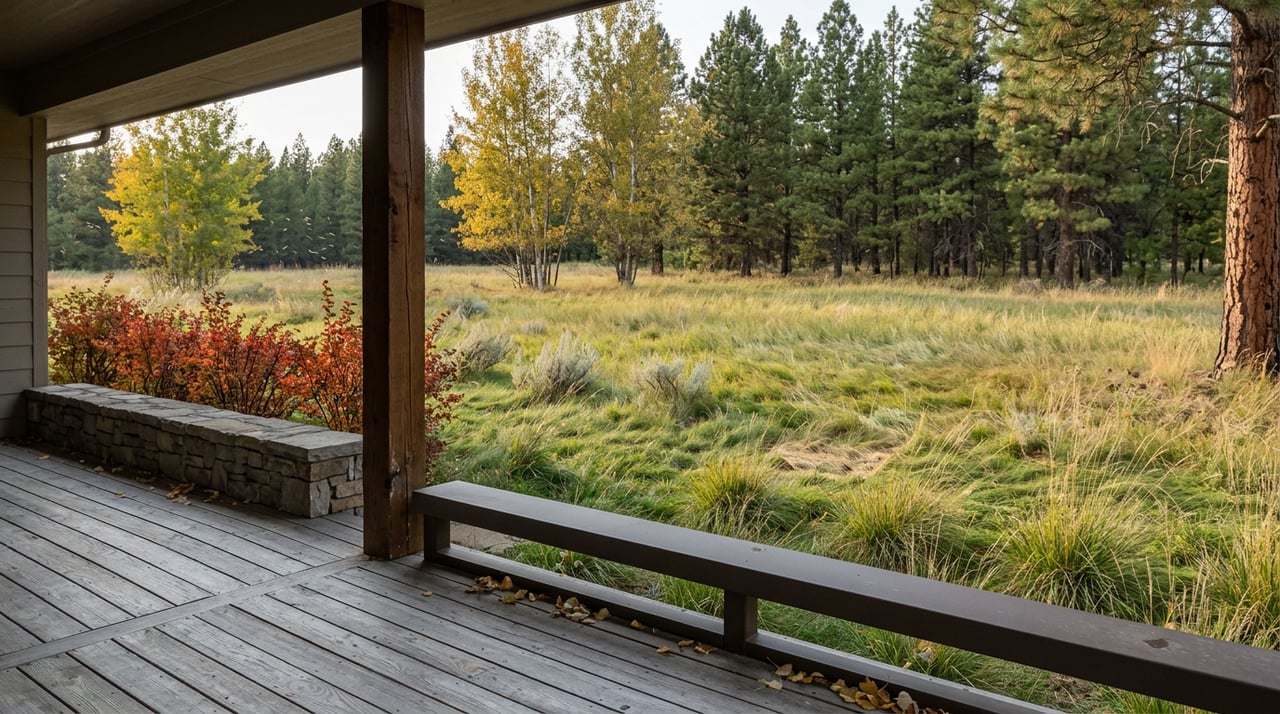
If privacy is high on your list, a detached home may be the better fit. Big Sky lodging and destination materials consistently frame private homes and cabins as the more private option, and many buyers are drawn to that extra breathing room (learn more about preparing a luxury home in Big Sky to hit the market).
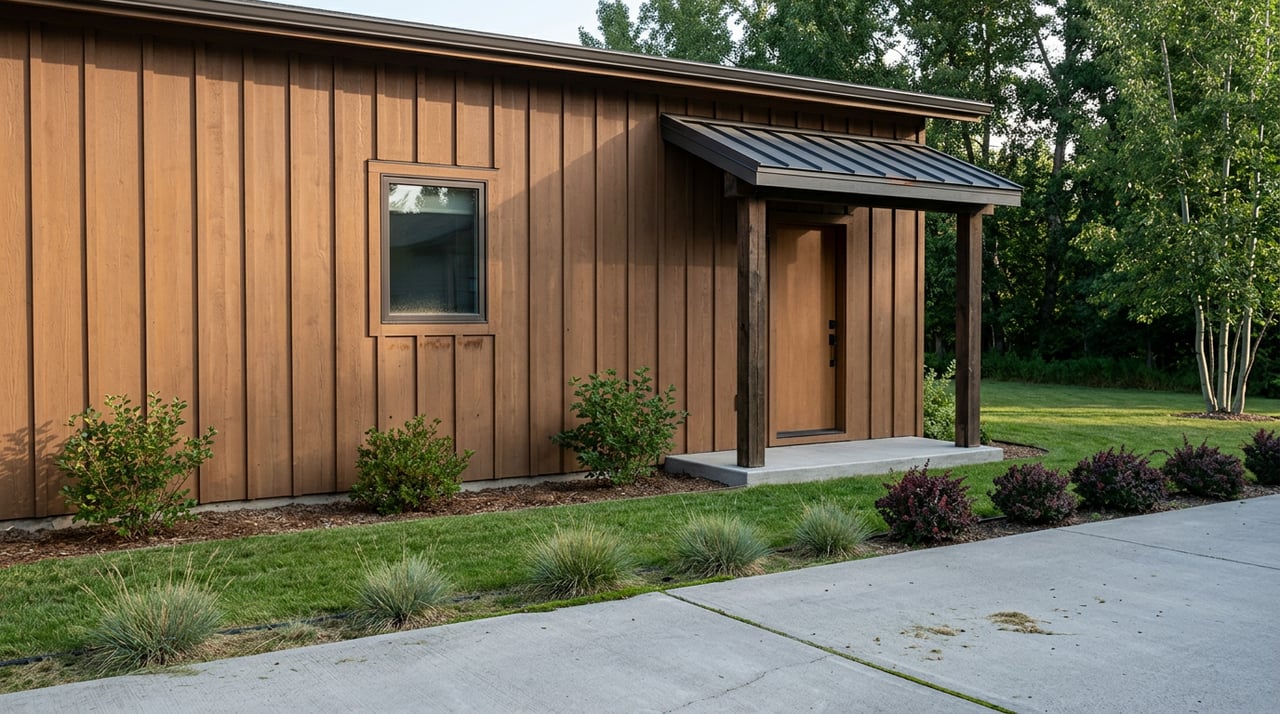
Detached homes also usually offer more flexibility in how you use the property day to day. You may have more room for guests, more separation from neighbors, and a stronger sense of control over the property itself.
More control usually means more owner responsibility. Unlike a condo, a detached home often places more of the upkeep, repair, and management burden on you.
That said, you should not assume a single-family home is free from HOA oversight. In Montana, many HOAs operate primarily under their own bylaws and declarations, so a home in a subdivision may still come with dues, design rules, or community standards.
Factor | Condos | Standalone Homes |
|---|---|---|
Maintenance | Often shared through common expenses | Usually more direct owner responsibility |
Privacy | Typically less private | Typically more private |
Amenities | May include guest services and shared features | Varies by property |
Ease for second-home use | Often strong fit for lock-and-leave ownership | Can require more oversight |
Space | Often more compact | Often more room and flexibility |
Rules and restrictions | Often more structured through association documents | May still have HOA rules depending on subdivision |
If you are considering buying a vacation rental in Big Sky for short-term income, the property type is only part of the story. In Big Sky and the broader Gallatin County area, parcel-specific zoning and licensing rules matter just as much.
Gallatin County says a short-term rental is typically a dwelling unit rented for 30 days or less. The county also states that only certain zoning districts specifically mention short-term rentals, and if they are not mentioned in a district’s regulations, they are not permitted in that district.
A condo may seem like the natural fit for guest-oriented use, and often it is. But a detached home can also be attractive for rentals depending on the location, the rules, and how the property is set up.
The key is to verify the specific parcel, not rely on assumptions. In the Gallatin Canyon and Big Sky district, short-term rentals are permitted only in listed subdistricts, and the county also says a local health department review is required through the public accommodations license process.
If the property is within the Big Sky Resort Area District and you plan to use it as a short-term vacation rental, there is another layer to understand. The district’s current guidance says businesses and short-term vacation rental owners within the district must collect a 4% resort tax.
That guidance also says short-term lodging agreements under 30 consecutive days are subject to the tax, annual registration is required, and rentals of 30 days or more are excluded. Whether you buy a condo, townhome, or detached home, those rules can affect how you plan for ownership and rental use.
The best choice usually comes down to how you want to live in Big Sky. If your goal is an easier lock-and-leave experience for owning a second home in Big Sky, a condo with shared amenities may be the better match.
If you want more privacy, more space, and more day-to-day control, a detached home may make more sense. Neither option is automatically better. The right answer depends on your goals, your usage plan, and the rules tied to the specific property.
In broad terms, condo or townhome ownership often fits a guest-oriented or lock-and-leave lifestyle, while a detached home often fits buyers who want privacy and more control. But in Big Sky, broad rules only get you so far.
The final answer always depends on the recorded declaration, HOA rules, zoning, and resort-tax obligations tied to the specific property. That is where local guidance can save you time, money, and frustration.
If you are weighing Big Sky condos against homes—whether you are looking at mountain residences, homes with acreage, farm and ranch properties, or horse properties across the surrounding region—working with our team of Montana land and acreage specialists who understand resort property, HOA documents, and Gallatin County nuances can make the process much clearer. When you are ready for straight answers and hands-on guidance, connect with Montana Life Real Estate.
Stay up to date on the latest real estate trends.
Get assistance in determining current property value, crafting a competitive offer, writing and negotiating a contract, and much more. Contact us today.