
November 6, 2025
Skis, bikes, and boots piling up in your Bozeman loft? You are not alone. Downtown living gives you quick access to Bridger and local trails, but compact floor plans make gear storage tricky. In this guide, you will learn HOA-friendly ways to store skis, bikes, and seasonal gear without sacrificing style or square footage. Let’s dive in.
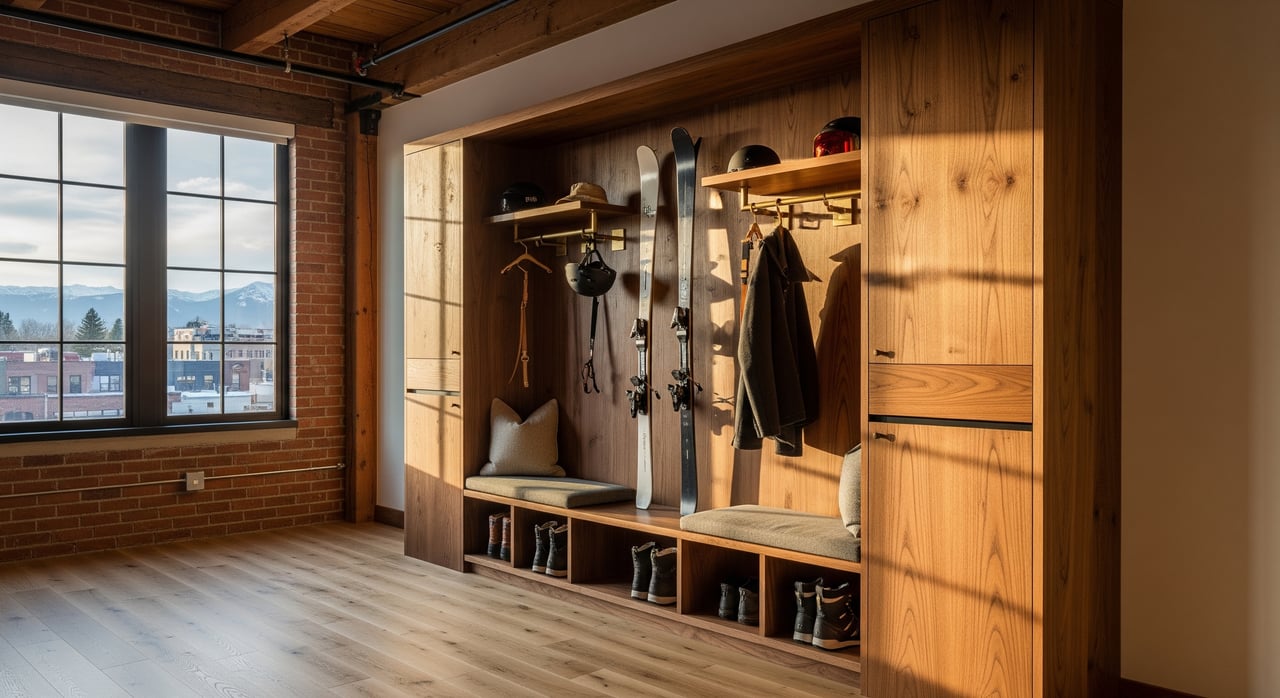
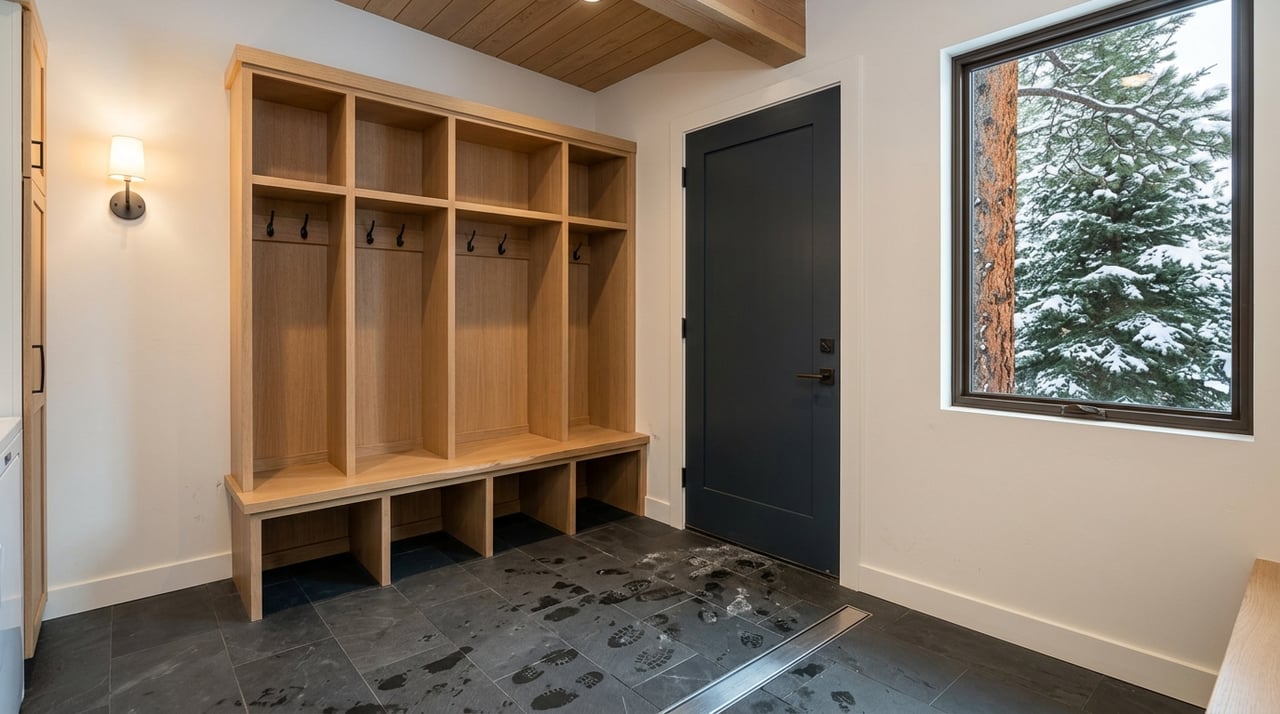
Your entry is the buffer between snow, mud, and your living space. If you can, dedicate a 3–6 foot zone near the door for changing shoes and dropping essentials. A narrow bench 12–18 inches deep with storage beneath keeps the footprint tight and usable.
Add a vertical peg wall or slatwall for jackets, helmets, and bags. Use washable rugs, rubber trays, or removable mats to catch melt and dirt. For a polished look, match finishes and hardware so the area reads as intentional, not improvised.
Wall space is your best friend in a compact loft. Vertical ski racks keep pairs upright with soft contact points, saving floor space in narrow hallways or entries. If you prefer display, horizontal wall racks work well, but they need more wall length.
For bikes, mount hooks or horizontal rails at shoulder height or higher. Vertical hangers reduce wall width needs, and sloped rail systems make it easy to store two or more bikes. If you have tall ceilings, a simple pulley hoist can suspend a seldom-used bike overhead.
Concealed storage preserves clean loft lines. Consider a tall built-in cabinet with a dedicated ski compartment and a boot shelf. Narrow vertical closets can be sized for skis and poles, with door height and depth set so tips and bindings clear easily.
Murphy-style benches and cabinets with roll-up or sliding doors help you tuck gear out of sight. To stay flexible, add adjustable shelves or movable supports so the cabinet can shift from ski season to bike season with minimal changes.
Turn furniture into storage to stretch every square foot. Platform beds with pull-out drawers are ideal for off-season gear like tents, packs, or paddle gear. Sofa bases with lockable compartments add security for high-value equipment.
Fold-away workstations or benches with integrated hooks can create a mini tuning area that disappears when not in use. Keep the footprint slim so it blends with open-plan layouts common in downtown Bozeman.
Wet gear needs airflow to avoid odor and mold. Use ventilated cubbies, wire shelving, or slotted shelves for boots and liners. Avoid sealing wet gear inside airtight boxes.
Pair absorbent mats or drip trays with a small portable boot dryer, fan, or dehumidifier if you use gear often. Choose moisture-resistant finishes for storage zones, such as sealed plywood, powder-coated racks, and washable rugs. Skip carpet in gear drop areas.
E-bikes are heavier, so confirm your wall mounts are rated for the load and anchored into studs. For charging, choose a convenient spot with access to a GFCI outlet and keep cords out of walkways. Follow manufacturer guidance for charging and battery storage.
If theft is a concern, add a floor or wall anchor within a closet or cabinet. Some HOAs restrict storing spare batteries or charging in common areas, so check your building rules before you set up.
Most HOAs allow in-unit storage changes that do not alter structural or common elements, but always review your CC&Rs and any architectural guidelines. Avoid storing anything in common hallways or blocking egress doors to stay compliant with fire and building codes.
If your plan involves hard-wired drying systems, new circuits, or changes touching fire separation walls or HVAC, consult a licensed professional and confirm permits and HOA approvals. Simple, non-structural cabinetry usually does not require a permit.
Try these compact, polished layouts that suit studio to two-bedroom units:
Adult skis commonly run 150–190 centimeters, so plan cabinet height accordingly. Vertical racks let skis stand on the floor with a small upper bracket to secure tips. A built-in with a boot shelf consolidates everything in one place.
For drying, allow airflow and include drip trays or absorbent mats for melt. A small portable boot dryer in a ventilated compartment speeds up turnaround without sealing in moisture.
Boots and liners dry best with ventilation. Use open wire shelves, slotted cubbies, or shelves with perforations. Stack breathable bins for seasonal rotation and dedicate a small shelf for goggles and microfiber cloths.
Choose mounts that match weight and usage. Wall hooks or horizontal rails are great for frequent riders. Vertical hangers save wall length, and ceiling hoists work for bikes you use less often.
For e-bikes, create a charging spot near a GFCI outlet and route cords cleanly. If your HOA has battery rules, follow them, and never run cords across an exit path.
Store occasional-use items overhead: ceiling hooks inside closets or high shelves for sleds, paddles, or duffels. Use collapsible or labeled bins so you can rotate seasonally without hunting for gear.
Snow, mud, and salt are tough on finishes. Use sealed plywood or MDF with finished edges, powder-coated racks, and metal shelving in wet zones. Keep padding or rubberized contact points wherever gear touches the rack to prevent scuffs.
Choose tile, vinyl, or sealed wood for floors in drop zones, and top with washable rugs or trays. A small dehumidifier or desiccant packs can help during heavy-use weeks.
Plan for possible add-ons like an electrician, dehumidifier, or HOA application fees.
With a few smart zones and the right hardware, your downtown Bozeman loft can handle winter snow, spring mud, and summer rides while looking clean and intentional. If you want help choosing a home that fits your gear-friendly lifestyle or you are planning upgrades to maximize value, connect with the local team that lives this lifestyle every day. Schedule a Consultation with Montana Life Real Estate.
Stay up to date on the latest real estate trends.
Get assistance in determining current property value, crafting a competitive offer, writing and negotiating a contract, and much more. Contact us today.