
Land Montana Life Real Estate July 9, 2026
If you are getting ready to sell land in Bridger Canyon, one thing matters right away: buyers are not just shopping for views. They want clear answers about access, water, legal rights, and how the property can actually be used. If you prepare those details before your land hits the market, you can make your listing easier to understand and easier to trust. Let’s dive in.
Before you pull records or build your marketing package, confirm exactly where the parcel sits. The location details in this area can get confusing because ZIP code 59014 is tied to Bridger in Carbon County, while Bridger Canyon is generally associated with the MT 86 corridor in Gallatin and Park Counties.
That matters because county records, tax data, and recorded documents depend on the parcel’s actual county. If your land is truly in Bridger Canyon, verifying the county first helps you avoid delays and prevents mistakes in the listing file.
A strong land listing starts with the basics. You want a file that gives buyers a clear, factual picture of what they are reviewing, without forcing them to piece it together on their own.
At minimum, gather these records before listing:
In Montana, the legal description is especially important because it must uniquely identify the parcel. If you can present that information clearly from the start, you reduce confusion and make due diligence smoother for serious buyers.
If your land is agricultural or timbered, include the current classification notice in your file. This is not a small detail on Montana land.
Montana treats agricultural land and forest land differently, and buyers often want to understand that classification early. Parcels of 160 acres or more are automatically classified as agricultural land, while smaller parcels must meet specific production and income standards. Wooded acreage may also fall under separate forest-land classification rules, so it should not be presented as a generic rural lot.
Water can shape buyer interest as much as the land itself. If the parcel has a well, keep the well log with your listing materials and gather any available water-right information tied to the property.
In Montana, well log information serves as the official record of borehole work. Understanding and verifying Montana water rights also deserves close attention because DNRC states that a recorded water right is required for the majority of water uses to be valid, legal, and defensible.
A simple water packet often helps buyers move from curiosity to confidence. That packet may include:
In a place like Bridger Canyon, access is never a throwaway detail. The corridor includes ranches, homes, public lands, recreation areas, and mountain terrain, so buyers tend to look closely at how they reach the parcel and how that access functions through the year.
Montana appraisal materials break site characteristics into separate factors like access, topography, location, and functional utility. Access may be described as paved, semi-improved, dirt, private, seasonal, proposed, or even landlocked. Those distinctions shape buyer expectations and can influence how quickly a buyer feels comfortable moving forward.
When you list, be direct about what kind of access the property has. If the road is private or seasonal, say so clearly. If access crosses other land, make sure the supporting documents are easy to review.
Land does not need to look manicured to sell well. It does need to be readable.
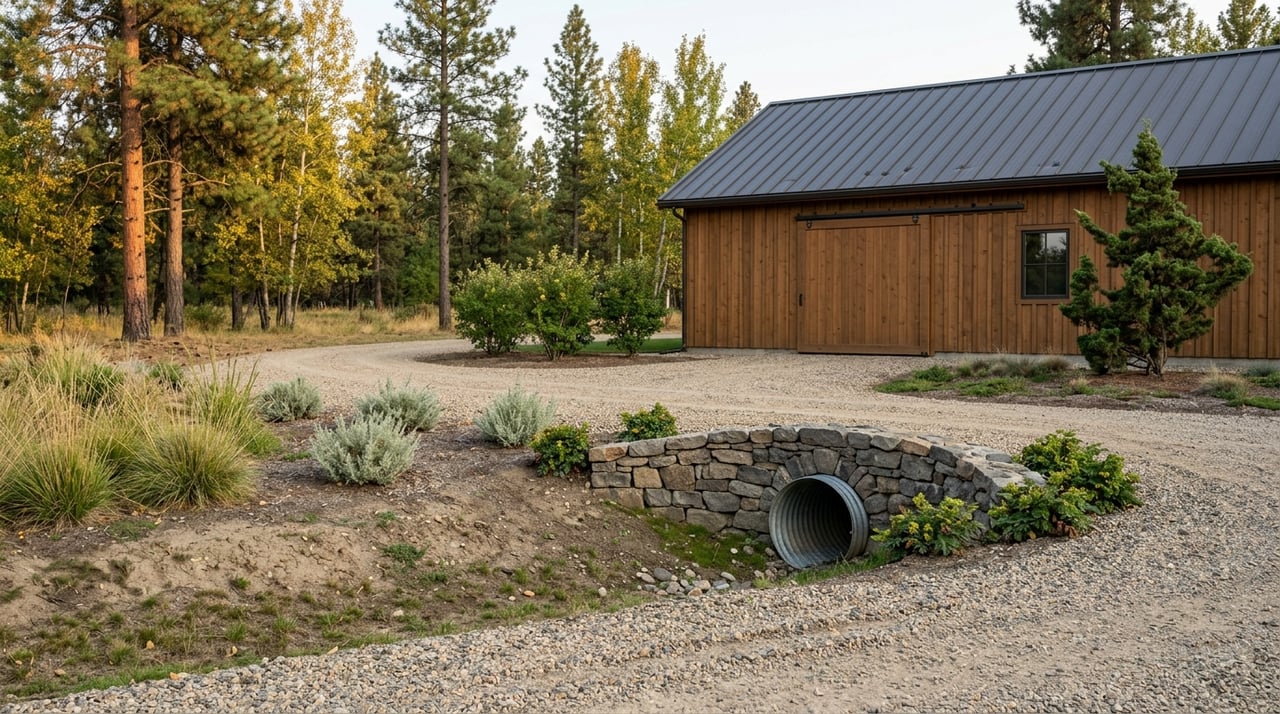
That means a buyer should be able to pull in, understand where they are, and make sense of the usable parts of the parcel. A few practical steps can make a big difference:
Weed control matters for more than appearance. Montana’s Department of Agriculture notes that noxious weeds can displace native plants, increase soil erosion, and reduce habitat and recreational opportunities. For many rural-land buyers, that is a real stewardship issue, not just a cosmetic one.
If your parcel is posted, make sure the marking is easy to follow. Montana Fish, Wildlife & Parks states that private land can be marked with written notice or fluorescent orange paint, and those markings should appear at outer gates and normal access points.
This step is especially useful when a parcel has more than one approach point or runs along shared roads. Clear marking helps reduce confusion during showings and makes the property feel more professionally prepared.
If lot lines or access points still feel fuzzy, a survey may be worth considering. In many land sales, uncertainty around boundaries becomes a sticking point. A recorded survey, plat, or Certificate of Survey can turn a vague conversation into something buyers can review with confidence.
Before you list, gather every written lease or use agreement tied to the property. This includes more than just obvious occupancy arrangements.
Examples may include:
Montana State University Extension guidance emphasizes the value of written lease terms, including the legal description and lease term. Buyers need to know if any agreement remains in place after closing, so this is an area where clarity matters more than speed.
Recorded easements and conservation restrictions should be reviewed carefully before the property goes live. These can affect how land is accessed, used, improved, or transferred.
A conservation easement is a voluntary legal agreement that limits certain uses of the land to protect conservation values, and it remains in place after a sale. If your property has that kind of restriction, buyers need to understand it early.
The same goes for access easements. If access across neighboring private land is unclear, DNRC advises that the issue should be resolved through the listing agent, title company, or attorney rather than assumed.
Not every land sale follows the same disclosure path. In Montana, the 2023 residential seller-disclosure law applies to residential real property, meaning property improved by a building or structure intended for occupancy as a residence.
That distinction matters for parcels with a cabin, home, or other dwelling. When the law applies, sellers disclose known issues involving title, water service, wastewater treatment, utilities, structural systems, unpermitted additions, hazardous materials, and settling or drainage. Raw vacant land is not described the same way under that statute.
The best land listings in Bridger Canyon tend to do one thing well: they answer the practical questions up front. Buyers in this setting often focus less on polish and more on whether the facts are easy to verify.
The questions usually sound like this:
When you prepare for those questions early, your listing feels stronger from day one. It also helps reduce surprises once a serious buyer starts due diligence.
The market for Bridger Canyon properties is not a one-note land market. It is a long rural corridor with private homes and ranches, public land, trailheads, streams, recreation areas, and destination draws like Bridger Bowl and Bohart Ranch.
Because of that setting, buyers often look at a parcel through a practical lens. They want to know how the land works, not just how it looks. A well-prepared listing package that explains access, water, rights, restrictions, and improvements can make your property easier to evaluate and more compelling in the market.
Selling land well takes more than uploading a few photos and an acreage number. The real work is turning records into a buyer-friendly story that is accurate, organized, and easy to review.
That is where a land-savvy brokerage can add real value. Learn more about how we market land and ranch listings in Bridger Canyon, where we pair deep local knowledge with polished marketing and hands-on transaction support for properties throughout southwest Montana.
If you are preparing to sell acreage in or near Bridger Canyon and want help organizing the records, positioning the property, and presenting it clearly to the market, connect with Montana Life Real Estate.
Stay up to date on the latest real estate trends.
Buyer Tips
Get assistance in determining current property value, crafting a competitive offer, writing and negotiating a contract, and much more. Contact us today.