
Lifestyle Montana Life Real Estate July 2, 2026
Want ski access without giving up space, privacy, and a little breathing room? Bridger Canyon stands out because it puts you on the road to Bridger Bowl while keeping you close to Bozeman’s daily conveniences. If you are looking for a winter home base that works for powder days and regular life, this guide will help you understand what makes the canyon appealing, what to watch for in winter, and which home features matter most. Let’s dive in.
Bridger Canyon sits in the corridor north of Bozeman that connects town access with the Bridger Range ski area. For many buyers, that mix is the draw. You get a more rural setting and a direct relationship to the mountain, while still staying tied to the same canyon road system that serves winter recreation.
Bridger Bowl is about 16 miles from downtown Bozeman and roughly 30 minutes away, depending on road conditions. That is close enough to make ski days feel realistic, even if you are balancing work, family visits, or a weekend-only schedule. It can turn skiing from a big outing into a more regular part of your winter rhythm.
Bridger Bowl also brings real scale for alpine skiers. The mountain lists 2,000 skiable acres, more than 75 trails, 2,700 feet of vertical rise, and average seasonal snowfall of 300 inches. As a nonprofit, community-focused ski area, it has a strong local identity that adds to the appeal for buyers who want a mountain experience that feels grounded rather than overbuilt.
A ski-season base is not only about chairlifts. Exploring mountain life in Bridger Canyon reveals a winter lifestyle that expands with Crosscut Mountain Sports Center offering 45 kilometers of daily groomed trails for Nordic skiing, snowshoeing, and fatbiking. It is located 17 miles up Bridger Canyon Road, which gives you another way to use the canyon throughout the season.
That matters if your household has different interests or ability levels. One person may want alpine terrain at Bridger Bowl, while another prefers Nordic trails or snowshoeing. Having more than one winter option nearby can make a property feel more useful and enjoyable over a full season.
If you are thinking about using Bridger Canyon as your winter base, access matters as much as views. County planning documents note that Bridger Canyon Road is under state jurisdiction, while Kelly Canyon and Jackson Creek roads are county roads maintained on a regular schedule. Those same documents also note that snow buildup and drifting can become an issue at higher elevations.
In practical terms, that means your drive experience can vary based on where a home sits. A property higher in the canyon may offer a stronger mountain feel, but it may also come with more winter exposure. When you tour homes, it helps to think about the road, grade, turnaround space, and how easy it will be to manage snow on a day-to-day basis.
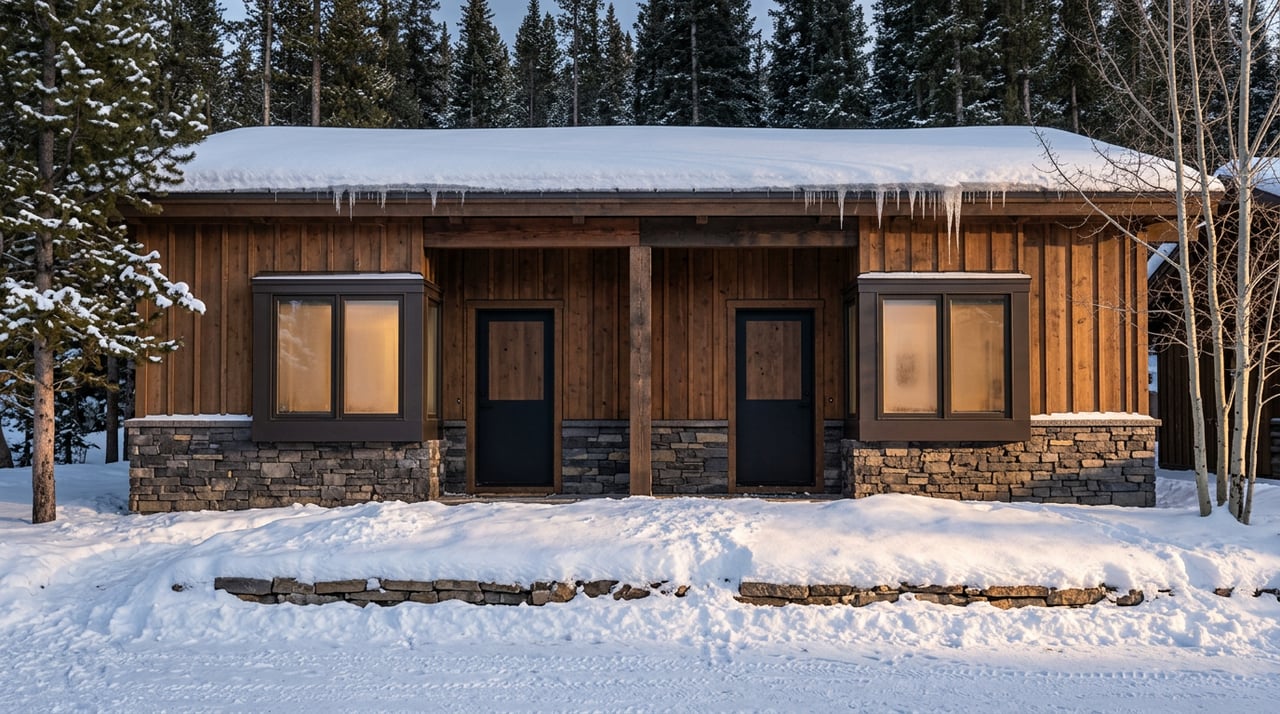
Local planning guidance also says higher-elevation and ski-base development should be designed for above-normal snowfalls, safe access, and easier snow removal. That is a useful lens for buyers. A beautiful home should also function well in January.
One advantage many buyers overlook is that Bridger Bowl operates a free winter bus service. Current pickup points include the MSU SUB and the Gallatin County Fairgrounds Park N Ride. The mountain also encourages carpooling to reduce traffic and parking pressure.
If you stay in the canyon or nearby Bozeman, that service gives you another option for mountain days. You may still want a vehicle for errands and flexibility, but you do not necessarily have to drive yourself to the lifts every time. For some buyers, that makes a ski-season routine feel simpler and less weather-dependent.
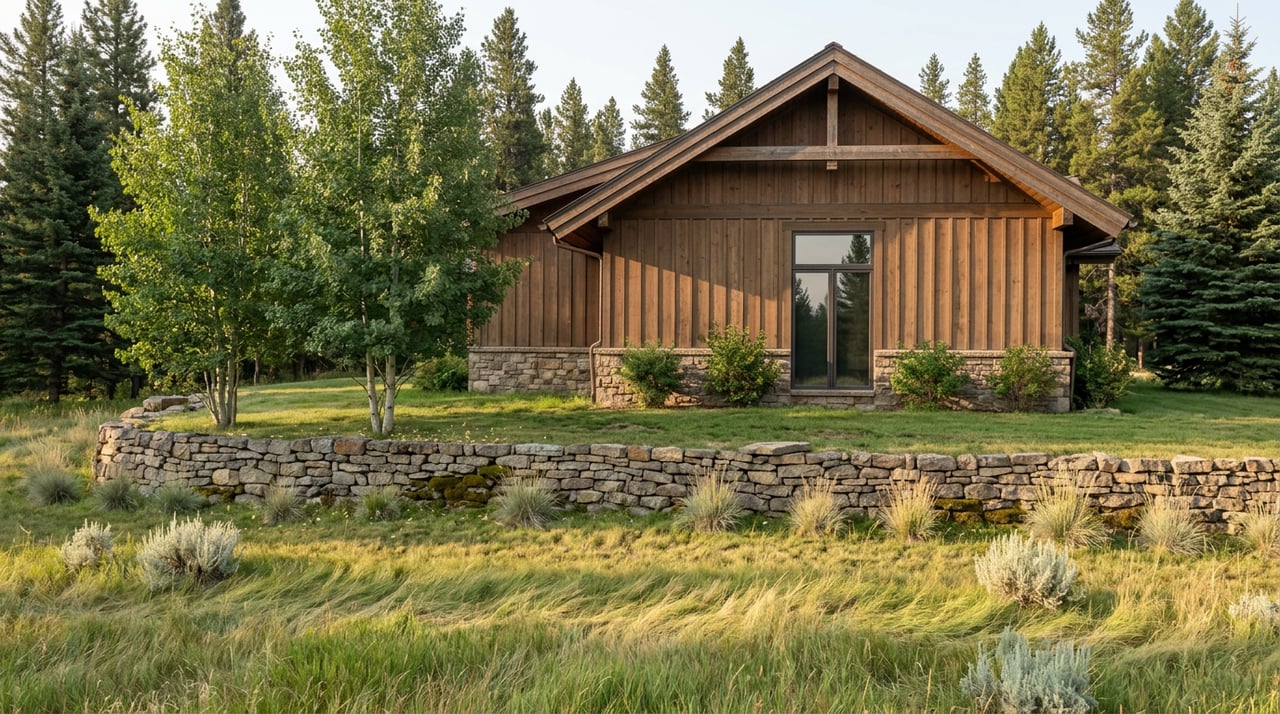
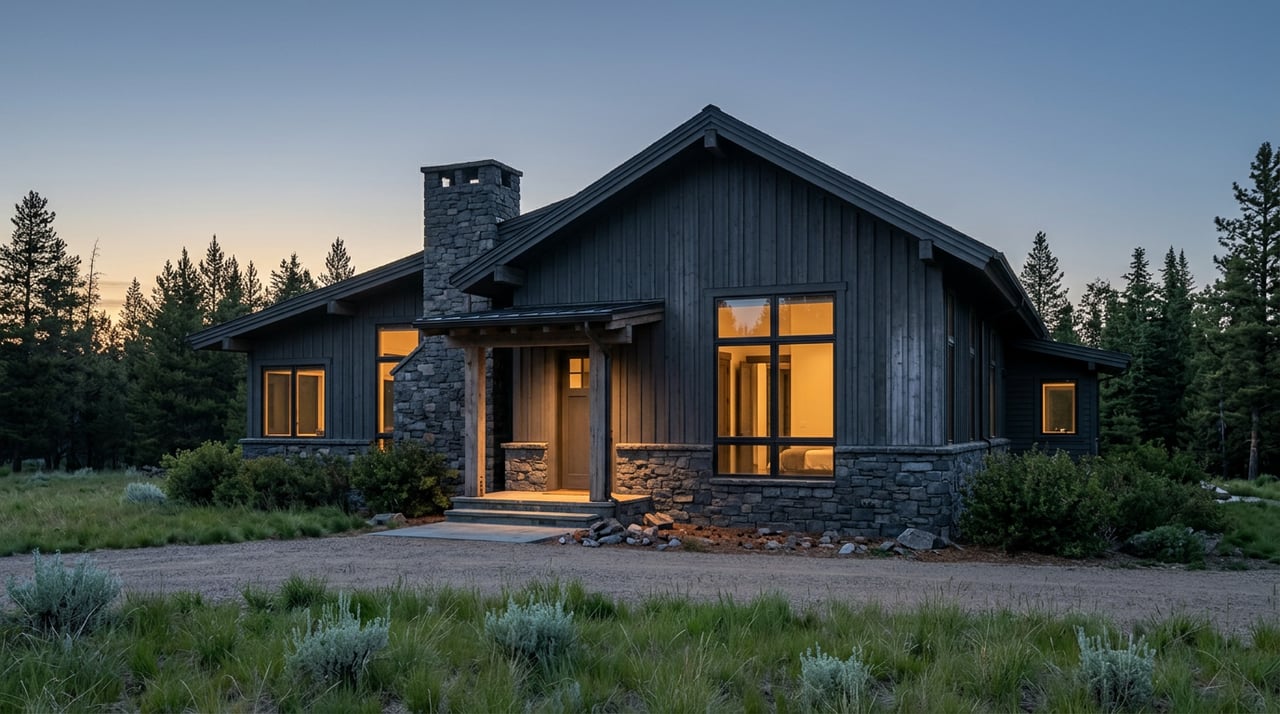
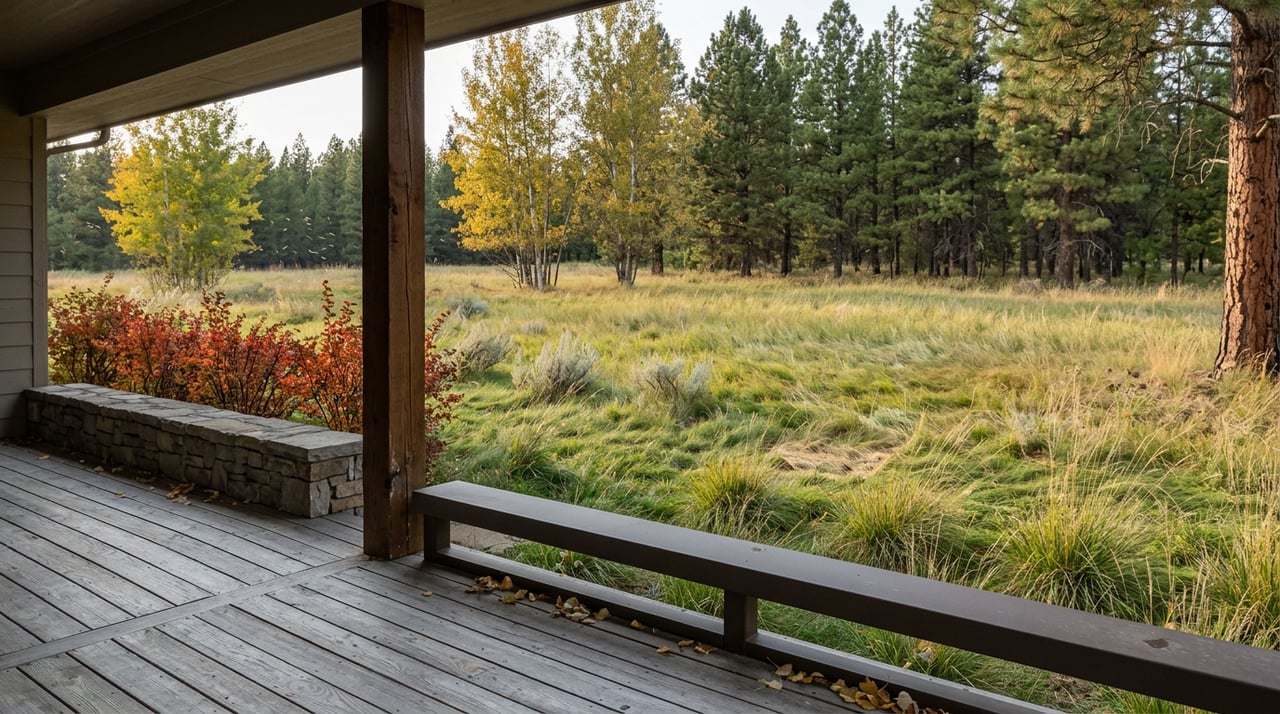
Beyond its convenience, Bridger Canyon real estate stands out for its distinct character, shaped by local planning goals that aim to preserve rural character, open space, views, and natural vegetation rather than suburban-style sprawl. That long-term intent is part of why the area feels different from a typical edge-of-town setting.
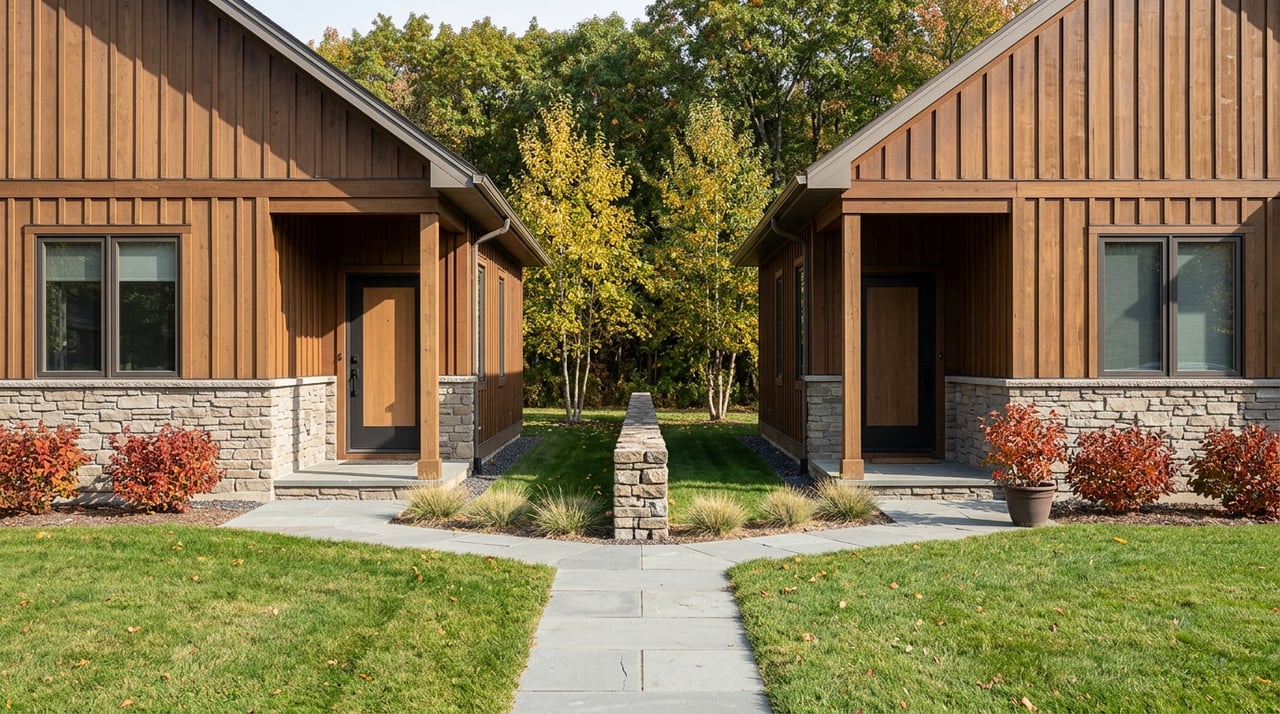
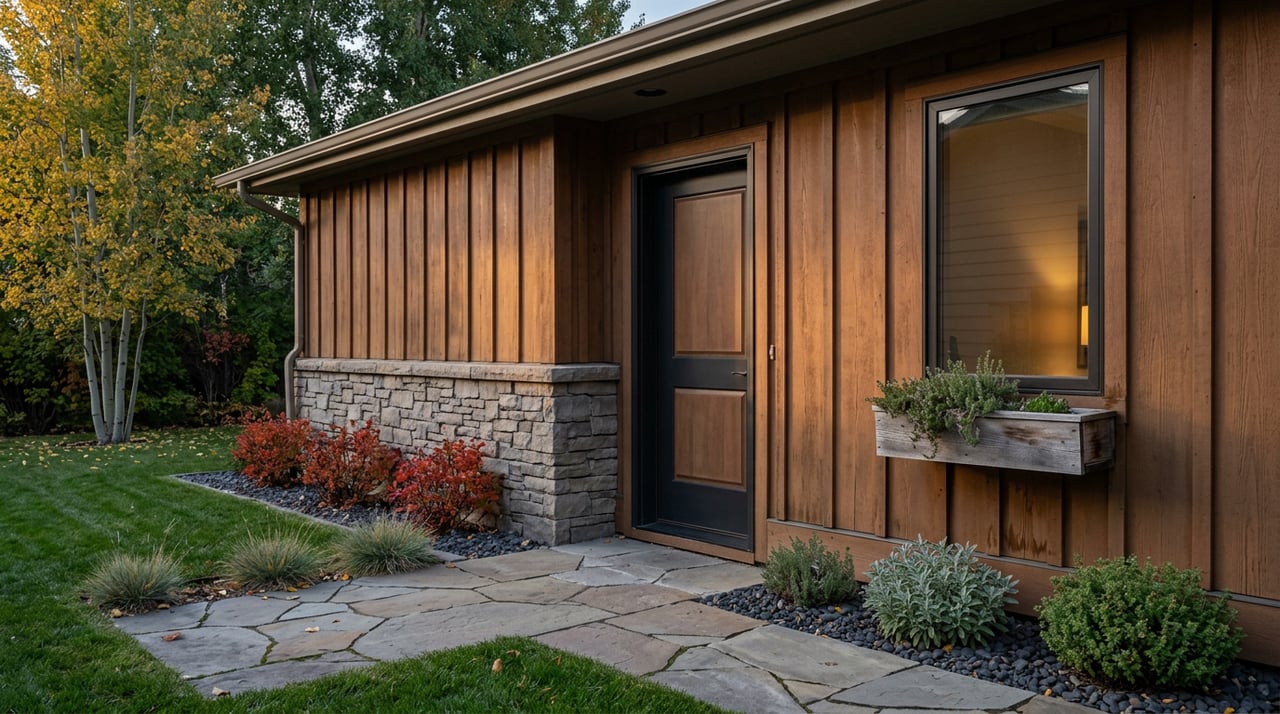
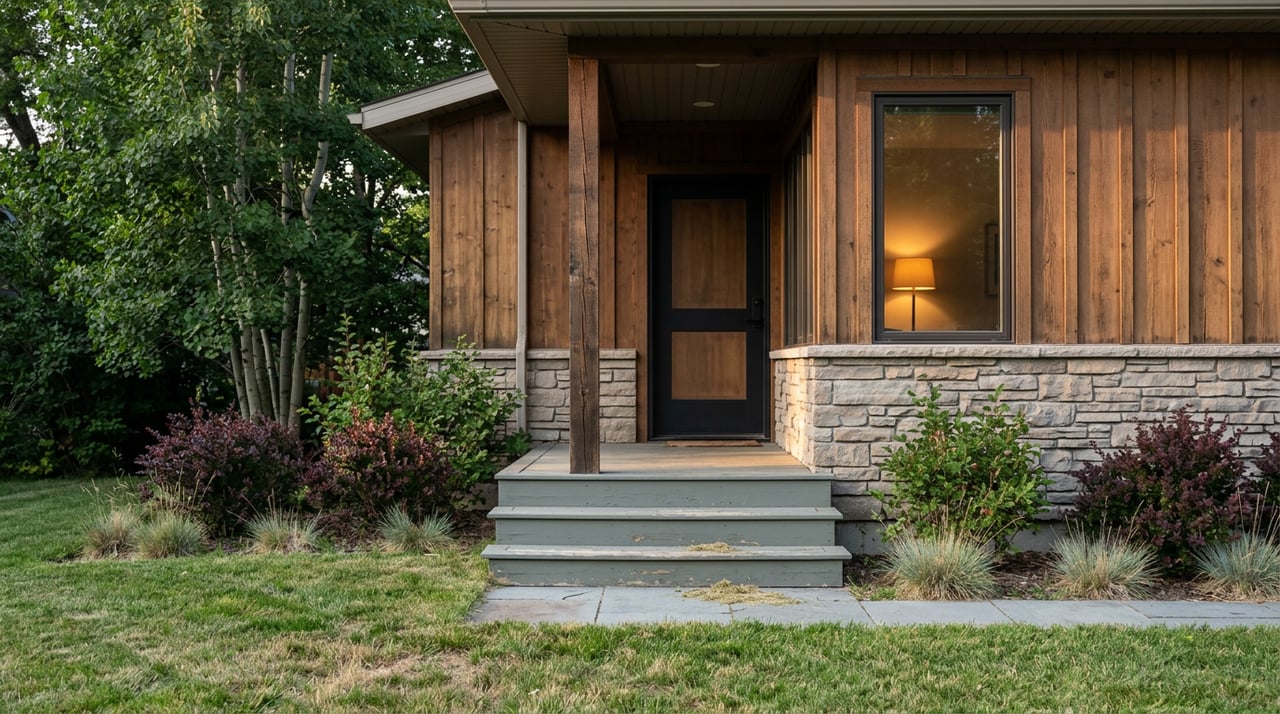
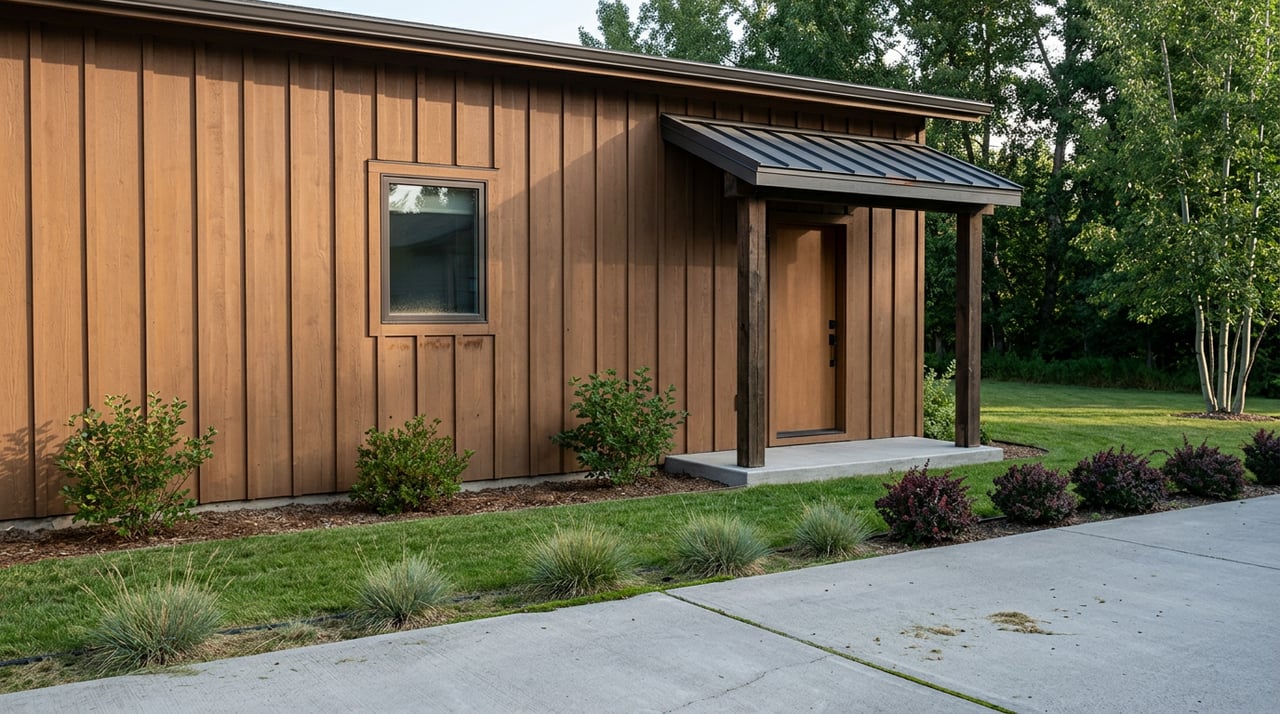
The general plan encourages cluster development, homes oriented toward views, screened service areas, setbacks from roads, and materials that fit the landscape. For you as a buyer, that can translate into a more private, visually consistent environment. It also helps explain why homes in the canyon often feel tied to the land instead of dropped onto it.
Commercial uses in the area are also intended to stay small and practical, serving day-to-day needs like food and gas while maintaining a rural residential character. If you want a quieter home base with less commercial intensity than in-town living, that is a meaningful part of the lifestyle.
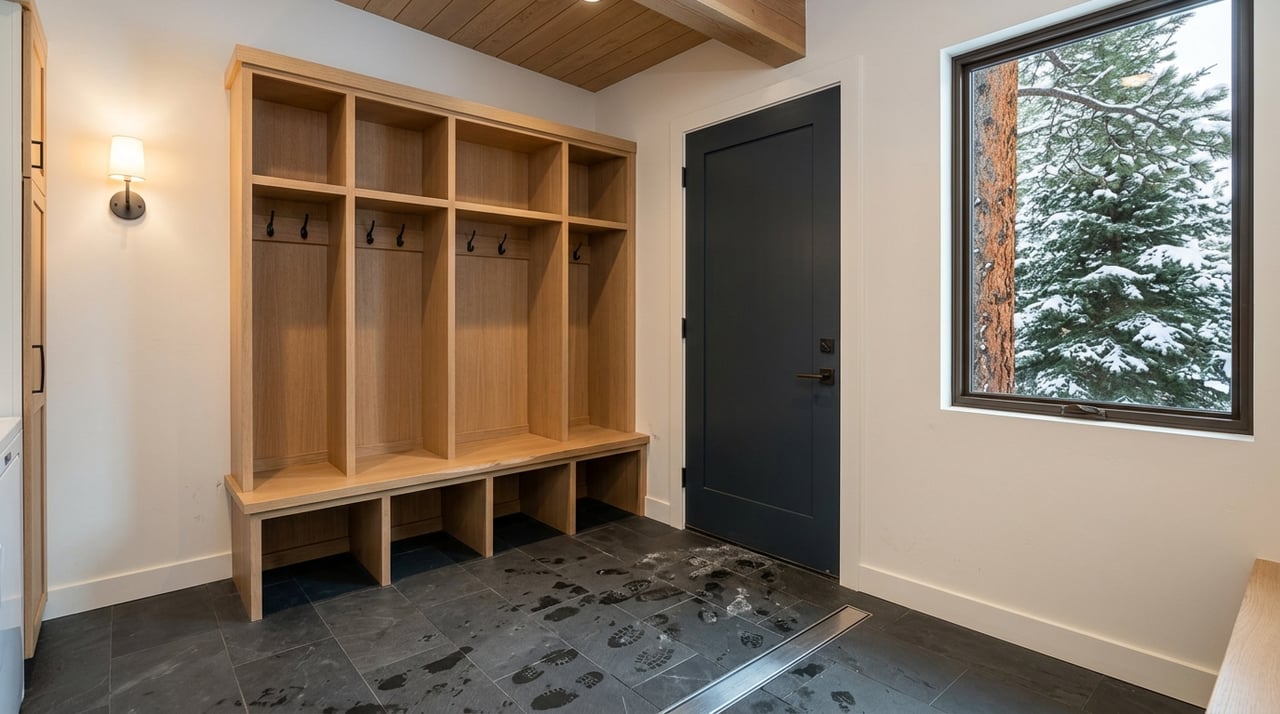
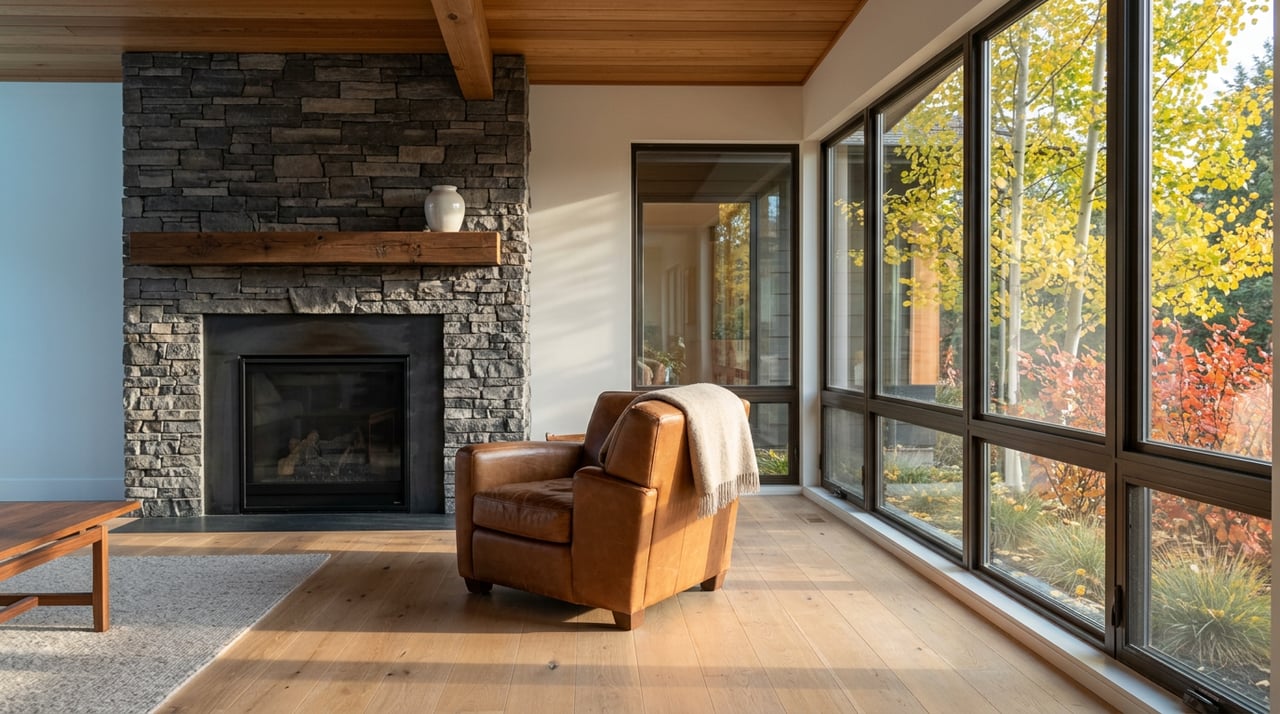
When evaluating home and land options in Bridger Canyon, square footage alone does not define a good winter home. Market examples show that buyers often prioritize practical features that support cold-weather living and gear-heavy routines. The best ski-season homes usually make daily transitions easy.
Here are some of the features that tend to stand out:
These are not requirements, but they reflect how local homes are often shaped around mountain practicality. If you are comparing properties, it helps to focus on how the house handles winter living, not just how it looks in listing photos.
Before you buy, picture your actual winter schedule. Are you planning to ski first thing in the morning, host friends on long weekends, or split time between work and recreation? Your answers can change what kind of property fits you best.
For example, if you expect frequent guests, a walk-out lower level or separate guest space may matter more than a larger great room. If you want quick departures on powder mornings, a well-designed mudroom and garage setup may beat extra formal living space. Small layout details can make a big difference once the snow starts falling.
When you tour a Bridger Canyon property for ski-season use, try to look past finishes and staging. A mountain home should support your routine in every kind of weather. The smartest questions are often the most practical ones.
Consider asking:
These questions help you evaluate the property as a working ski base, not just a scenic retreat. In Bridger Canyon, that difference matters.
For some buyers, the core decision is simple: canyon setting or in-town ease. Bridger Canyon offers a quieter, more private environment with direct ties to Bridger Bowl and Crosscut. Bozeman may offer a more traditional town-based routine, but the canyon can feel more connected to the winter experience itself.
That does not make one option better for everyone. It comes down to whether you want your home base to feel more residential and rural, or more urban and centralized. If your priority is waking up in a mountain setting and keeping skiing close to your daily life, Bridger Canyon has a strong case.
Buying in a mountain corridor is different from buying in a standard subdivision. Road conditions, elevation, property layout, access, and winter livability all play a bigger role. The right home is usually the one that matches both your lifestyle goals and the realities of the setting.
That is where local insight helps. A relationship-first, place-based approach can save you time by narrowing the search to homes that truly fit how you plan to use them, especially in a market where privacy, views, and winter function all carry weight.
If you are thinking about making Bridger Canyon your ski-season base, Montana Life Real Estate can help you evaluate properties with a clear eye for lifestyle, access, and long-term fit.
Stay up to date on the latest real estate trends.
Get assistance in determining current property value, crafting a competitive offer, writing and negotiating a contract, and much more. Contact us today.