
Neighborhoods Montana Life Real Estate June 11, 2026
If you have ever imagined a home where the river is part of your daily backdrop and the mountains shape your routine, the stretch between Bozeman and Big Sky along the Gallatin probably has your attention. It offers a kind of Montana living that feels scenic, active, and deeply tied to the landscape, but it also comes with real tradeoffs you need to understand before you buy. Here’s what it actually means to live along the US 191 corridor through Gallatin Canyon, and how to decide whether it fits the life you want. Let’s dive in.
When people talk about living between Bozeman and Big Sky along the Gallatin, they are usually talking about the US 191 corridor through Gallatin Canyon. According to the Montana Department of Transportation, this corridor runs about 37 miles from Four Corners to Beaver Creek Road near Big Sky.
That route serves the unincorporated communities of Four Corners, Gallatin Gateway, and Big Sky. It also connects residences, rural subdivisions, ski areas, trailheads, campgrounds, and recreation areas, which tells you a lot about how this area functions day to day.
This is not a typical town-to-town suburban strip. It is better understood as a highway-and-river corridor where the landscape is a central part of daily life.
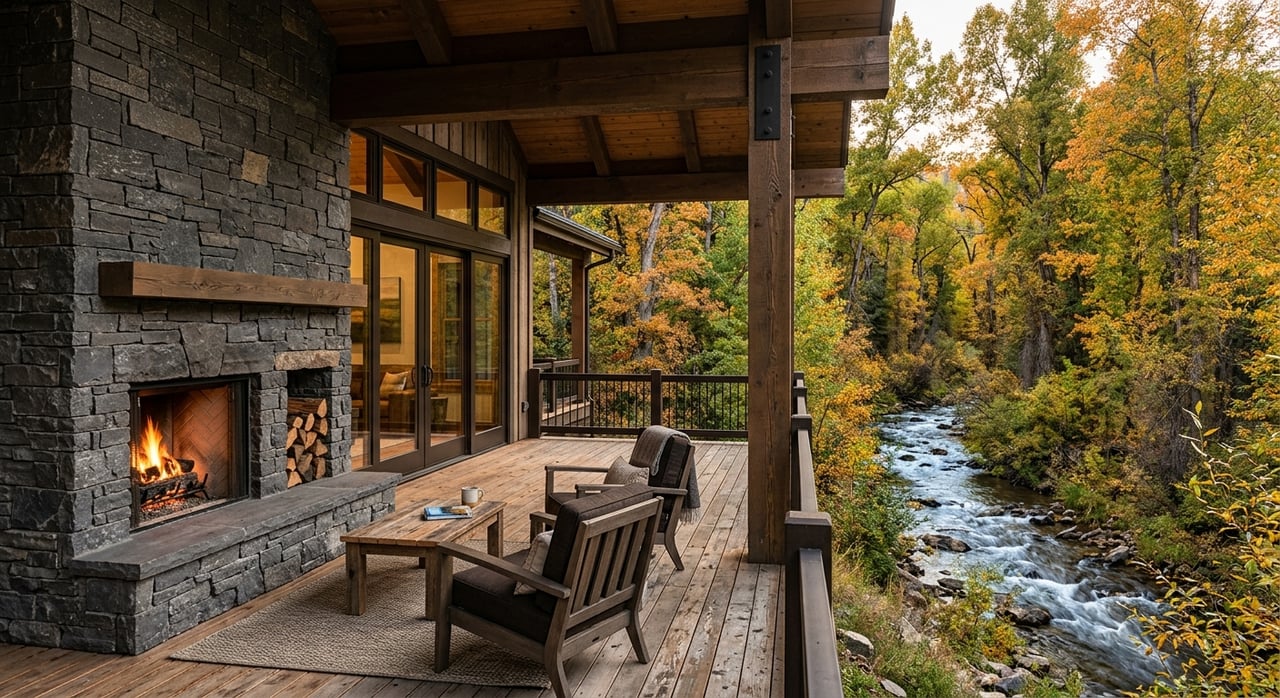
The Gallatin Canyon setting is one of the biggest reasons buyers are drawn here. The Forest Service identifies this stretch as a recreation corridor in Gallatin Canyon and along Highway 191 toward Big Sky, which matches what you experience on the ground.
Much of the upper Gallatin River runs alongside public lands, and US 191 closely parallels the river for much of that section. Montana Fish, Wildlife & Parks notes that much of the upper 70 miles of the river are surrounded by public lands within Yellowstone National Park and the Gallatin National Forest.
That creates a lifestyle where the scenery is not just something you visit on weekends. It becomes part of your drive, your weekends, and often your reason for choosing the area in the first place.
For many buyers, the biggest appeal of this corridor is direct access to recreation. The Gallatin River begins at Gallatin Lake in Yellowstone National Park, flows about 44 miles through the narrow Gallatin Canyon, and continues through the valley before joining the Madison and Jefferson rivers.
Montana FWP says much of the 115-mile river is classified as a blue-ribbon trout stream. The river supports wild trout fisheries with abundant rainbow and brown trout, which is a major reason anglers and outdoor-minded buyers pay close attention to this stretch.
The surrounding corridor also supports hiking, fishing, scenic drives, camping, rafting, and wildlife viewing. If your version of home includes quick access to public lands and outdoor recreation, that is one of the strongest arguments for this area.
Being near the river is not the same as having easy public access to it. Under Montana Stream Access Law, the public may use rivers and streams for recreation up to the ordinary high-water mark, but that does not allow crossing private land or entering posted land to reach the water.
That distinction matters when you look at property locations. A home may sit near the Gallatin, but your practical day-to-day access may depend on nearby public access points rather than pure proximity on a map.
Montana FWP’s fishing access-site program helps provide public access for angling, boating, rafting, hiking, wildlife viewing, and picnicking. In Gallatin Canyon, the corridor also includes managed sites that make recreation feel more practical and less theoretical.
For example, Greek Creek Campground sits about 30 miles south of Bozeman in scenic Gallatin Canyon and offers fishing, rafting, hiking, wildlife viewing, potable water, and seasonal use. Red Cliff Picnic Area is 48 miles south of Bozeman on US 191, adjacent to the west side of the Gallatin River, and functions as a day-use site.
Because these are managed public sites, seasonal windows and closures are part of the normal rhythm. If you are considering a home in this corridor, it helps to think in terms of year-round patterns, not just a summer snapshot.
One of the most important things to understand about living between Bozeman and Big Sky is that the southern part of the corridor feels much more mountain-like than Bozeman. As you move south, winter becomes a bigger part of daily planning.
NOAA climate normals show a noticeable difference between the two areas. Bozeman Montana State University reports a mean annual temperature of 44.1°F and annual snowfall of 91.3 inches, while the Big Sky 2WNW station reports a mean annual temperature of 37.7°F and annual snowfall of 191.6 inches.
The Big Sky station also sits 1,677 feet higher than the Bozeman station. That elevation difference helps explain why the drive and the lifestyle can shift so much as you head south along the Gallatin.
If you live in this corridor, road conditions are not background information. They are part of your routine, especially in winter.
MDT says Montana 511 provides travel information around the clock, including weather-related road conditions, road work, closures, commercial vehicle restrictions, and chain requirements. MDT also notes that tire chains or traction equipment can be required year-round in designated areas when conditions are unsafe, and studded winter tires are allowed from October 1 through May 31.
From a practical standpoint, that means winter readiness is part of living here. Big Sky Resort also advises drivers to use appropriate winter tires and not to assume rideshare apps will be a dependable transportation plan in winter.
This corridor is scenic, but it is also busy and dynamic. MDT describes US 191 as the connection between Bozeman, Gallatin Gateway, and Big Sky, serving commuters, tourists, residents, ski areas, trailheads, and recreation areas.
There is also a wildlife safety component. MDT’s Mouth of Gallatin Canyon project says about 24% of all highway accidents in that area are tied to wildlife-vehicle collisions, compared with 10% statewide.
That does not mean the corridor is unworkable. It means you should view the drive as an active mountain route that requires attention, planning, and comfort with changing conditions.
Gallatin County continues to grow, and that growth affects how this route feels. The U.S. Census Bureau estimates Gallatin County’s population reached 126,984 in 2024, which was up 6.7% from 2020.
For buyers, that helps explain why this scenic drive can also feel busy. It is not just a route for weekend recreation. It is part of the daily pattern for residents, workers, and visitors moving throughout the Greater Bozeman area between Gallatin Gateway and Big Sky.
This stretch is often a strong match for buyers exploring Big Sky properties, outdoor-focused relocators, and those who value direct access to fishing, rafting, hiking, skiing, and scenic public land. If your ideal home base is tied closely to recreation and landscape, this corridor can be compelling.
It can also work well for buyers who are comfortable with a more self-reliant rhythm. Winter driving, weather shifts, and a less convenience-focused layout are easier to handle if you already know those tradeoffs are part of the appeal.
In other words, this area tends to reward buyers who want proximity to nature more than buyers who want quick errands and a town-centered routine.
This lifestyle is not the right fit for everyone. If you want a dense neighborhood setting, short and simple daily errands, or a low-maintenance winter commute, the Gallatin corridor may feel more demanding than expected.
That is because the area functions as a river-and-highway landscape with scattered settlements. It does not offer the same kind of convenience pattern you might expect in a more traditional residential area.
For some buyers, that is exactly the point. For others, it is the detail that changes the search.
Before you focus only on views or river proximity, it helps to ask a few practical questions:
These questions can bring clarity fast. In this corridor, the best property on paper is not always the best property for your real life.
Living between Bozeman and Big Sky along the Gallatin can be extraordinary if you want a home that puts you close to the river, public lands, and year-round recreation. It offers a scenic, outdoors-first lifestyle that feels distinct from both Bozeman and resort-centered Big Sky.
At the same time, it asks more of you. Snow, wildlife, seasonal access changes, and a busy mountain road are part of the package, not exceptions to it.
If that sounds like the right trade, this corridor can be one of the most memorable ways to live in southwest Montana. If you want help sorting through the options between Bozeman, Gallatin Gateway, and Big Sky, Montana Life Real Estate is here to offer local guidance with a clear, grounded approach.
Stay up to date on the latest real estate trends.
Buyer Tips
Lifestyle
Land
Lifestyle
Land
Land
Neighborhoods
Get assistance in determining current property value, crafting a competitive offer, writing and negotiating a contract, and much more. Contact us today.