
Land Montana Life Real Estate June 25, 2026
If you are dreaming about room to breathe near Bozeman, Bridger Canyon probably keeps coming up for a reason. This is not a typical neighborhood market where homes are judged by square footage alone. In Bridger Canyon, land, views, water, privacy, and access often shape value just as much as the house itself. If you are trying to understand what you can actually buy here, this guide will walk you through the main home and land options in the canyon. Let’s dive in.
Bridger Canyon has a distinct identity because Gallatin County treats it as its own zoning district with its own general plan and zoning rules. The county’s stated goal is to guide growth while preserving scenic values, open space, water quality, traffic safety, fire safety, and the canyon’s farm-ranch rural atmosphere.
That matters if you are buying here. In many cases, Bridger Canyon is intentionally lower density than other markets around Bozeman, which helps explain why buyers often come here for space, quiet, and a more rural setting.
Outside the Base Area, the general plan expects about one dwelling unit per 40 acres. In the AE and RF districts, the minimum parcel size is 40 acres, along with 25-foot property-line setbacks, 125-foot road setbacks, and 150-foot watercourse setbacks.
There are also building-height limits to keep in mind. The cap is 35 feet for steeper roofs and 25 feet for flatter roofs, which can affect design plans if you are buying land or considering a major rebuild.
Accessory dwelling units are allowed in Bridger Canyon, but the rules are tight. Only one ADU is allowed per parcel, it cannot be sold or rented separately, it must share the driveway and electric meter with the main home, and it is capped at 1,200 square feet.
For buyers, that means an ADU can still be useful for guests, extended household use, or added flexibility. It also means you should not assume the kind of detached rental potential you might expect in a more suburban infill market.
If you search the canyon, you will mostly find single-family homes, land parcels, and larger ranch-style holdings. Dense housing is not what defines this market.
That is why your search should start with the kind of property you want to own, not just a price point. In Bridger Canyon, the right fit often comes down to acreage, natural features, and how you plan to use the property over time.
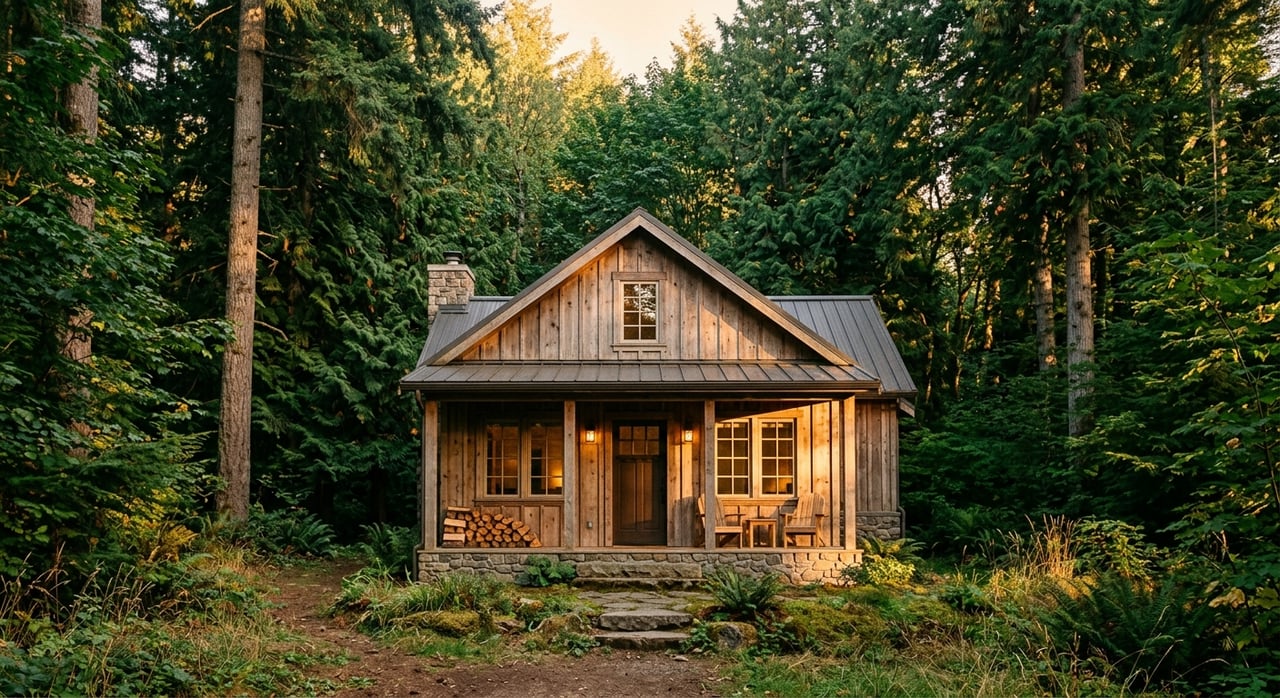
One of the most recognizable property types in the canyon is the older cabin or log home. Public examples include homes from 1915, 1934, and 1970 on parcels ranging from about 4 to more than 80 acres.
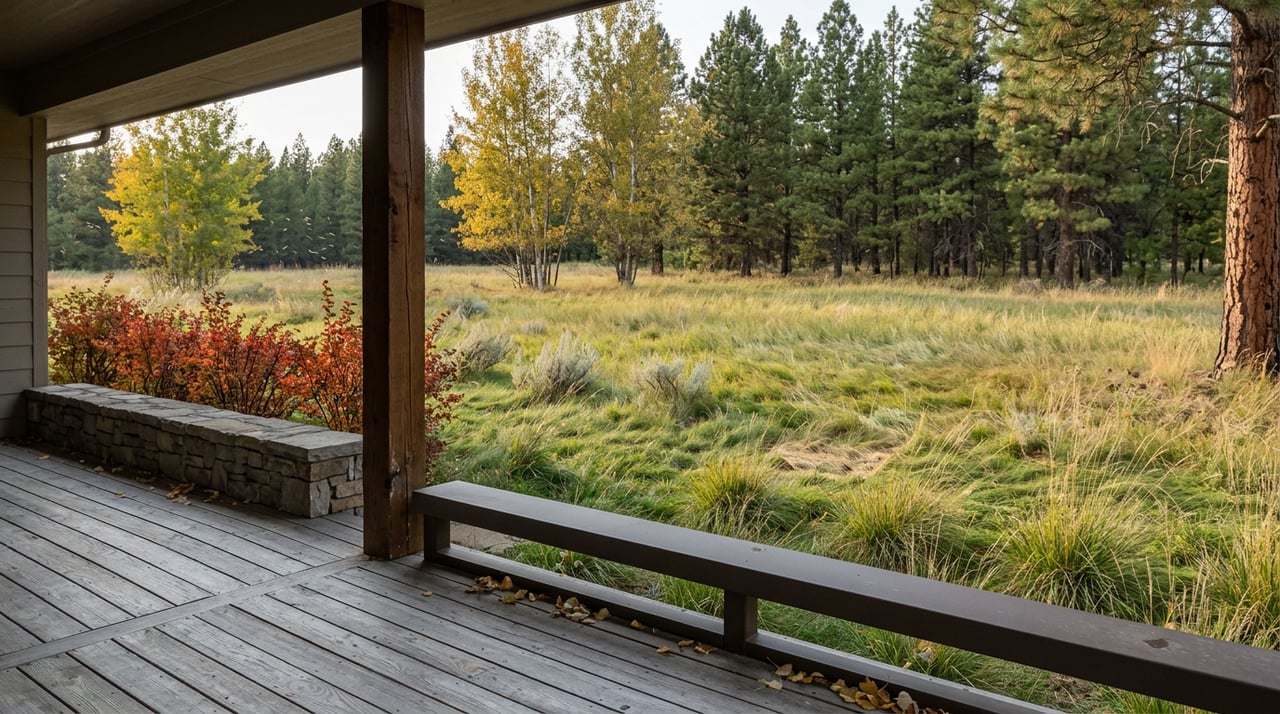
These homes often appeal to buyers who want character and a strong sense of place. Common features include wood stoves or fireplaces, decks, timber settings, mountain views, and detached shop space.
You will also find newer and more updated homes that lean modern Montana, farmhouse, or luxury mountain in style. Public examples include homes on about 2.8 acres, 10.57 acres, and 20 acres, often with larger square footage and more current finishes.
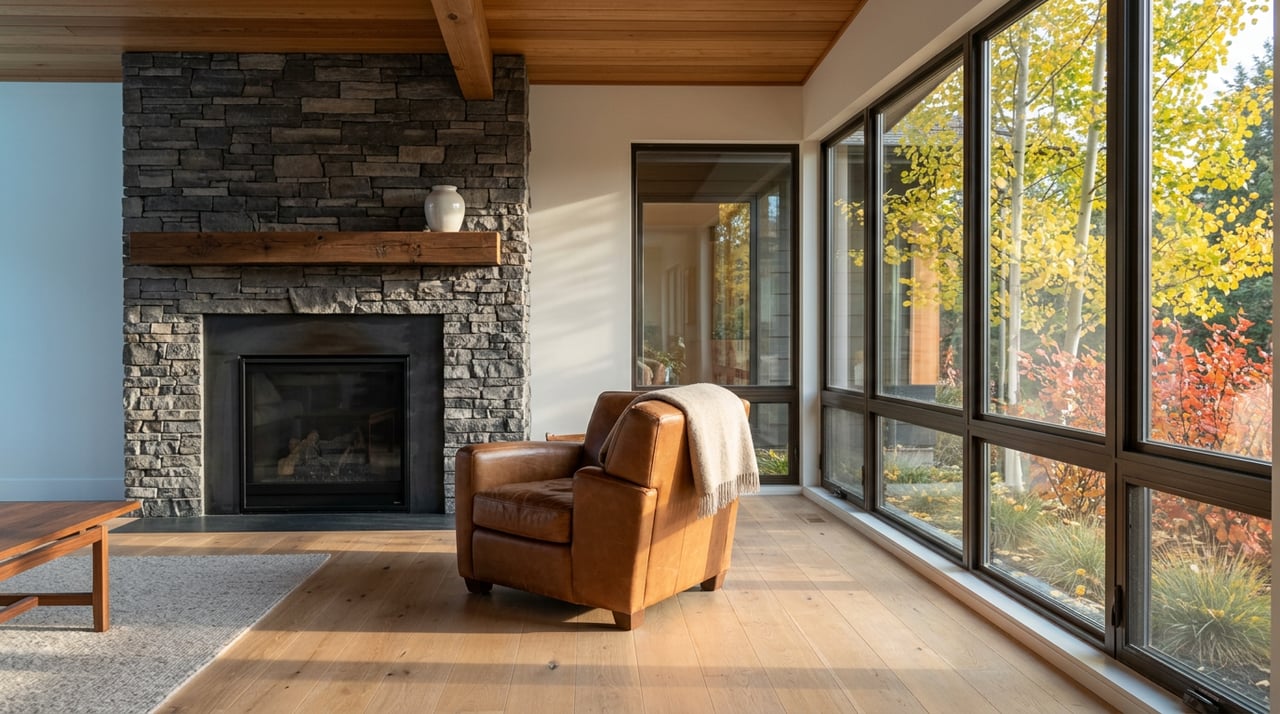
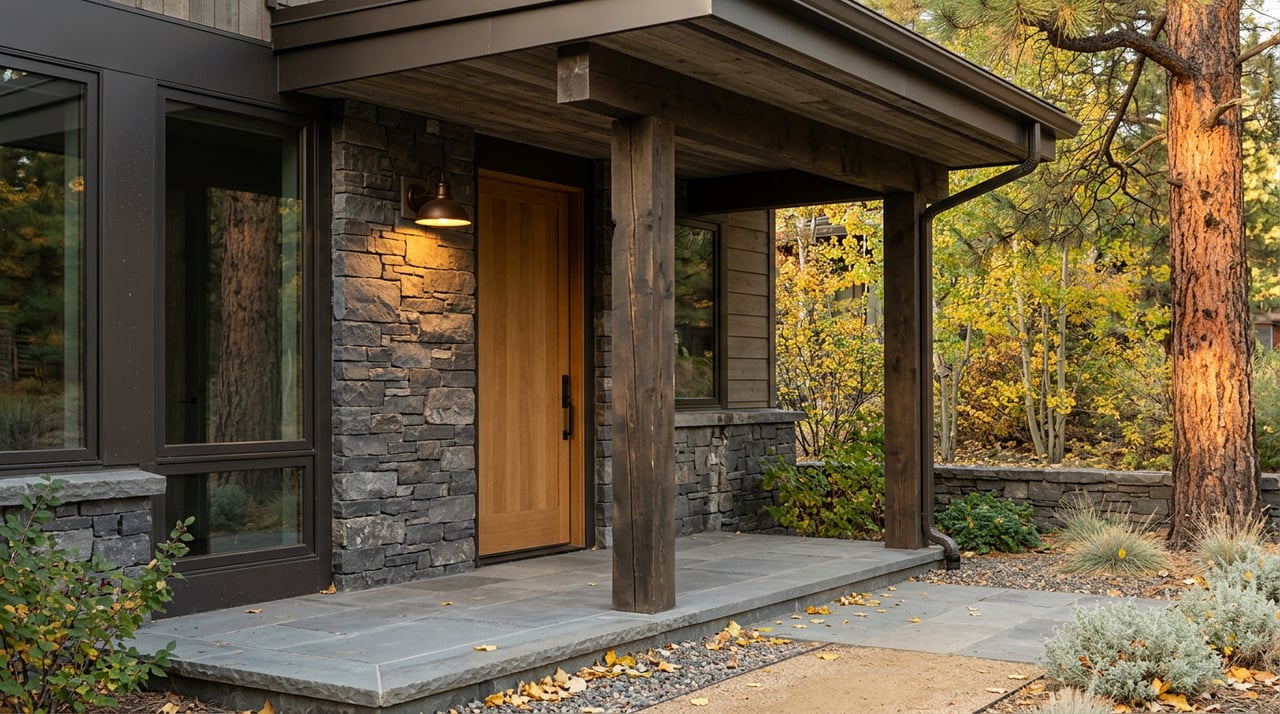
These properties tend to highlight vaulted ceilings, chef’s kitchens, wraparound decks, large windows, and indoor-outdoor living. If you want a move-in-ready mountain home with a polished finish, this is often the category to watch.
At the upper end of the market, Bridger Canyon includes ranch-like properties and legacy holdings with major land components. Public examples range from 10 acres to nearly 200 acres and may include guest homes, barns, ponds, greenhouses, gardens, livestock infrastructure, and creek frontage.
This segment tends to attract buyers who care as much about stewardship and long-term use as they do about the residence itself. Public land adjacency, private creek frontage, and extensive outbuildings can be major value drivers here.
If you want to create something from the ground up, Bridger Canyon also offers vacant land and buildable parcels. Public examples range from a 5.05-acre parcel that sold for $647,334 to larger acreage listings in the multi-million-dollar range.
Land value can rise quickly when a parcel includes creek frontage, mature timber, irrigated ground, wildlife, or water rights. For that reason, buying land here is often less about finding the cheapest acreage and more about understanding what is actually usable and valuable on the ground.
Bridger Canyon usually sits above standard Bozeman pricing because buyers are often paying for more than a home on a typical lot. According to a current Bozeman market snapshot from Realtor.com, Bozeman’s median listing price is $875,000 and the median sold price is $638,750. Public examples in Bridger Canyon frequently trend higher because land, privacy, recreation access, and build quality carry so much weight.
These examples are directional, not a formal median for the canyon. Still, they give you a practical way to think about the market.
The main takeaway is simple. In Bridger Canyon, value can scale very quickly when you add acreage, creek frontage, water rights, mature timber, or luxury construction.
In a more typical residential market, buyers may focus first on bedroom count, school commute, or recent interior upgrades. In Bridger Canyon, those things can still matter, but they are rarely the whole story.
Here, buyers often weigh the property as a complete package. That includes the setting, land utility, privacy, recreation access, and the long-term limits or opportunities created by zoning.
Bridger Bowl is about 16 miles from downtown Bozeman, and Crosscut Mountain Sports Center says it is 17 miles north of Bozeman adjacent to Bridger Bowl and the Custer Gallatin National Forest. That proximity helps explain why many buyers see the canyon as a strong fit for an outdoor-focused Montana lifestyle.
If you are also looking in other rural areas around Bozeman, Bridger Canyon stands apart. Compared with Sypes Canyon No. 2, it is generally more large-lot and conservation-oriented based on the zoning frameworks.
Compared with Gallatin Canyon and Big Sky, Bridger Canyon is more explicitly rural-residential and preservation-focused. Big Sky area zoning is more resort- and visitor-oriented, while Bridger Canyon’s planning framework puts more emphasis on open space, rural character, and limited development pressure.
Bridger Canyon is also a very different product tier than Bozeman proper. Bozeman offers a wider range of in-town housing choices, while Bridger Canyon more often centers on acreage, privacy, and land-based value.
If you want a home where the lot is just as important as the floor plan, the canyon may feel like a better match. If you want denser housing or a more standard neighborhood setup, your options may be broader elsewhere.
The best way to search Bridger Canyon is to start with how you want to live and what kind of asset you want to own. A buyer looking for a weekend retreat, for example, may prioritize views, ski access, and a lower-maintenance home. A buyer focused on long-term land ownership may care more about acreage, water, outbuildings, and zoning constraints.
That is where local guidance matters. In a market like this, the right property is not always the flashiest one. It is the one that lines up with your goals, your intended use, and the realities of the site.
If you are exploring home and land options in Bridger Canyon, working with a team that understands acreage, rural regulations, and Montana property value can help you avoid expensive assumptions. When you are ready to talk through your goals, connect with Montana Life Real Estate for clear, local guidance.
Stay up to date on the latest real estate trends.
Buyer Tips
Get assistance in determining current property value, crafting a competitive offer, writing and negotiating a contract, and much more. Contact us today.